Vano Removals
About Us
Contact
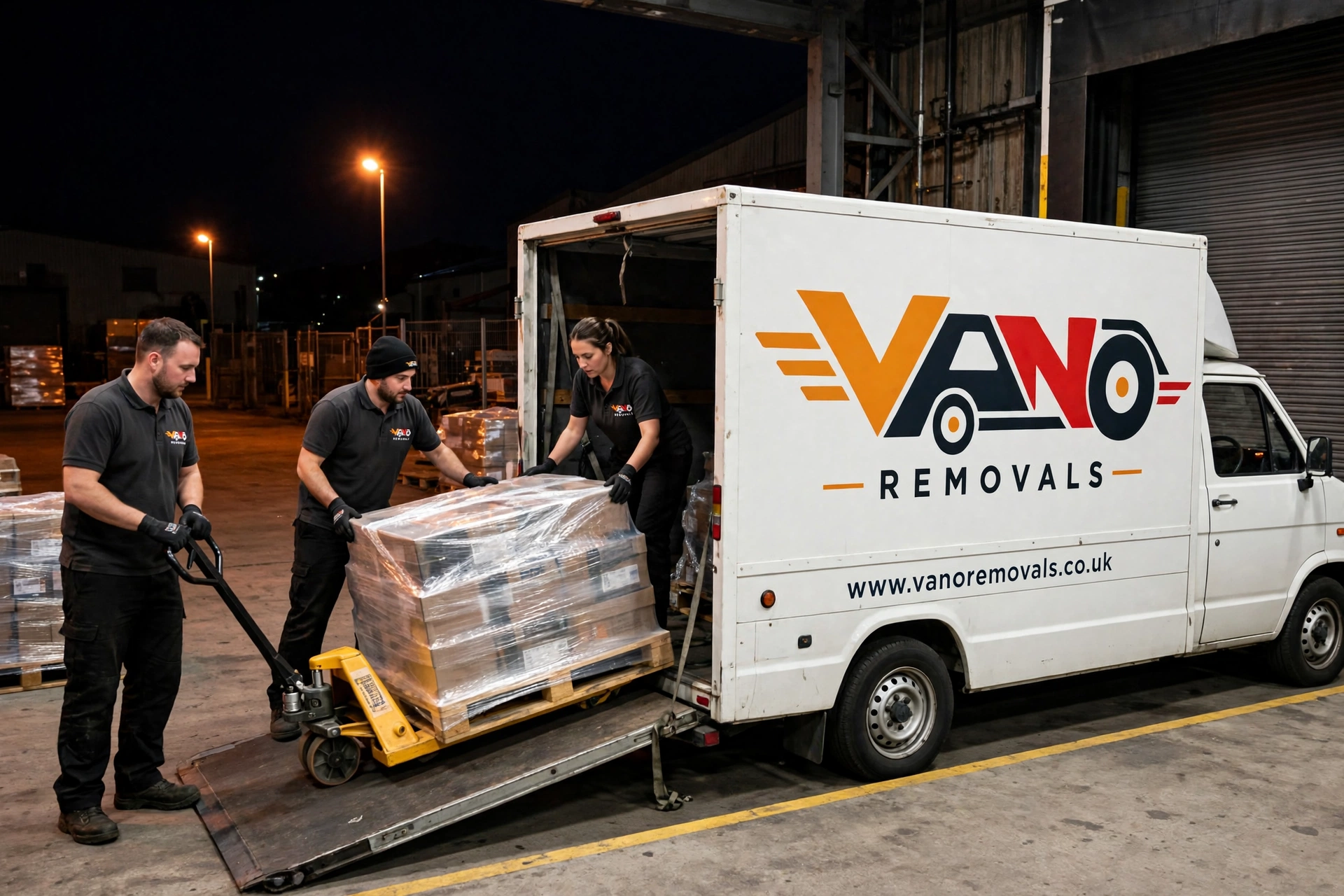
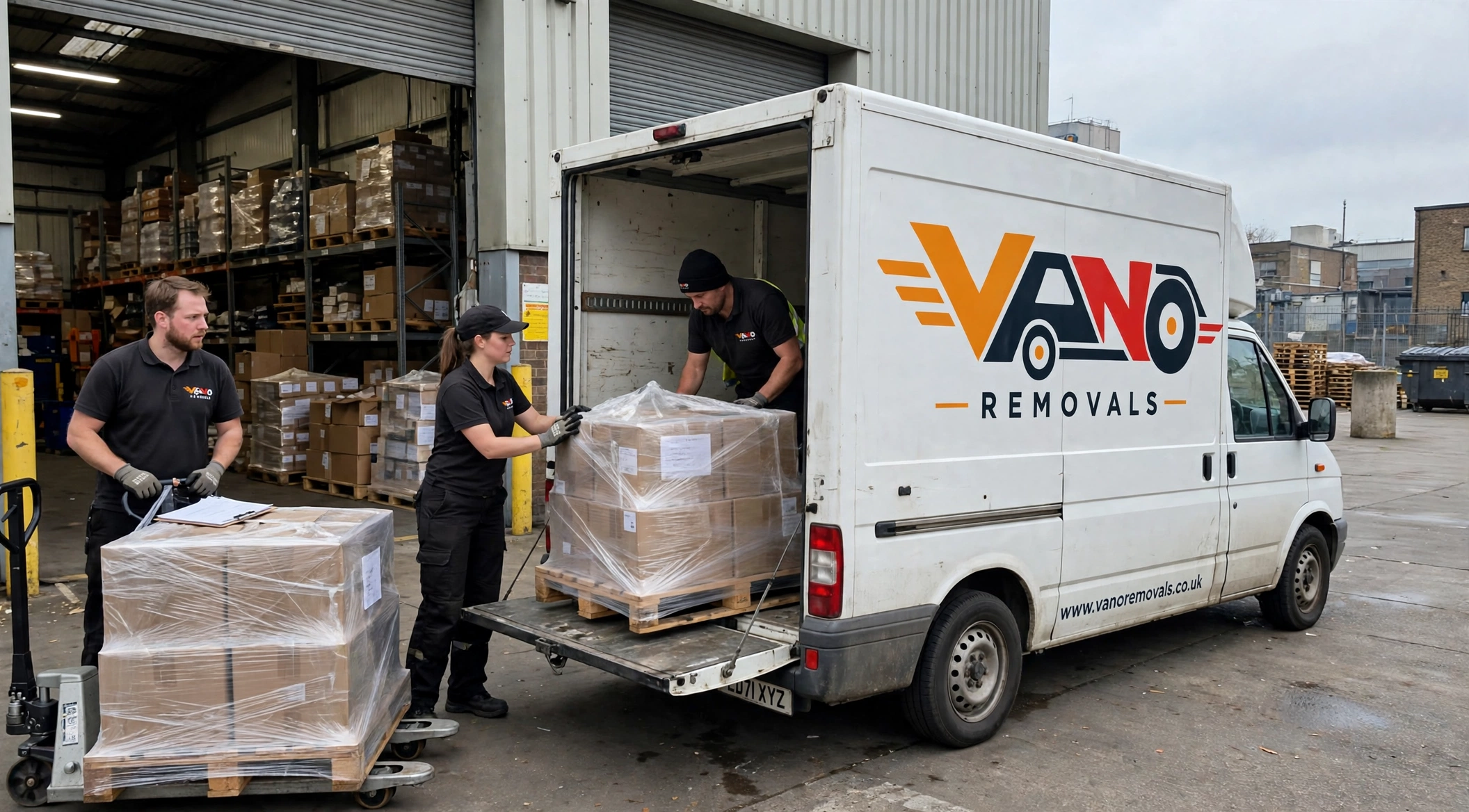
Crew loading palletised, shrink-wrapped stock onto a Vano Removals Luton van at a warehouse dock door
Rated 5.0 on Google

Warehouse Moves in London

Stock, racking and equipment moved between warehouses and industrial units across London, phased around your trading and planned backwards from the time you need to be operating again.

Small warehouse jobs run on our published hourly card, from £140. Full moves are one written project quote after a survey.

No deposit to bookFree cancellation up to 24 hours beforeRated 5.0 on Google
07459 180023

START YOUR ENQUIRY

Tell us about your move

Enter the key details so we can review your moving enquiry.

We'll confirm the details before you book.

By submitting, you agree to our Privacy Policy and Terms.

Quick answer

A warehouse move is stock, racking and equipment moved between industrial units, planned around your trading. Small warehouse jobs (a stock transfer, a stock-only unit move, a few bays of racking) run on our published hourly card: Driver Help £70/hr, 2 Men £85/hr, 3 Men £100/hr, 2-hour minimum. Anything phased or multi-day is one itemised written quote after a survey. Either way, the move is planned backwards from the time you need to be trading again, and that restart time is agreed in writing.

Price
Per-job written quote after a survey; small warehouse jobs on the published card: Driver Help £70/hr, 2 Men £85/hr, 3 Men £100/hr
Minimum booking
2 hours on hourly work; project work is one written total
Who it is for
Warehouses, fulfilment units, trade counters and distribution stores moving stock, racking and equipment
Where
London, all industrial districts; both site postcodes set the quote
Terms
No deposit. Free cancellation to 24 hours before. Quotes valid 7 days. Payment at the time of service, per phase on phased work, as stated in the written quote
WHAT WE MOVE

What a Warehouse Move Actually Covers

Four kinds of work make up nearly every warehouse move. Warehouse moves are the industrial end of our commercial services; each kind below is scoped at the survey and named in the quote.

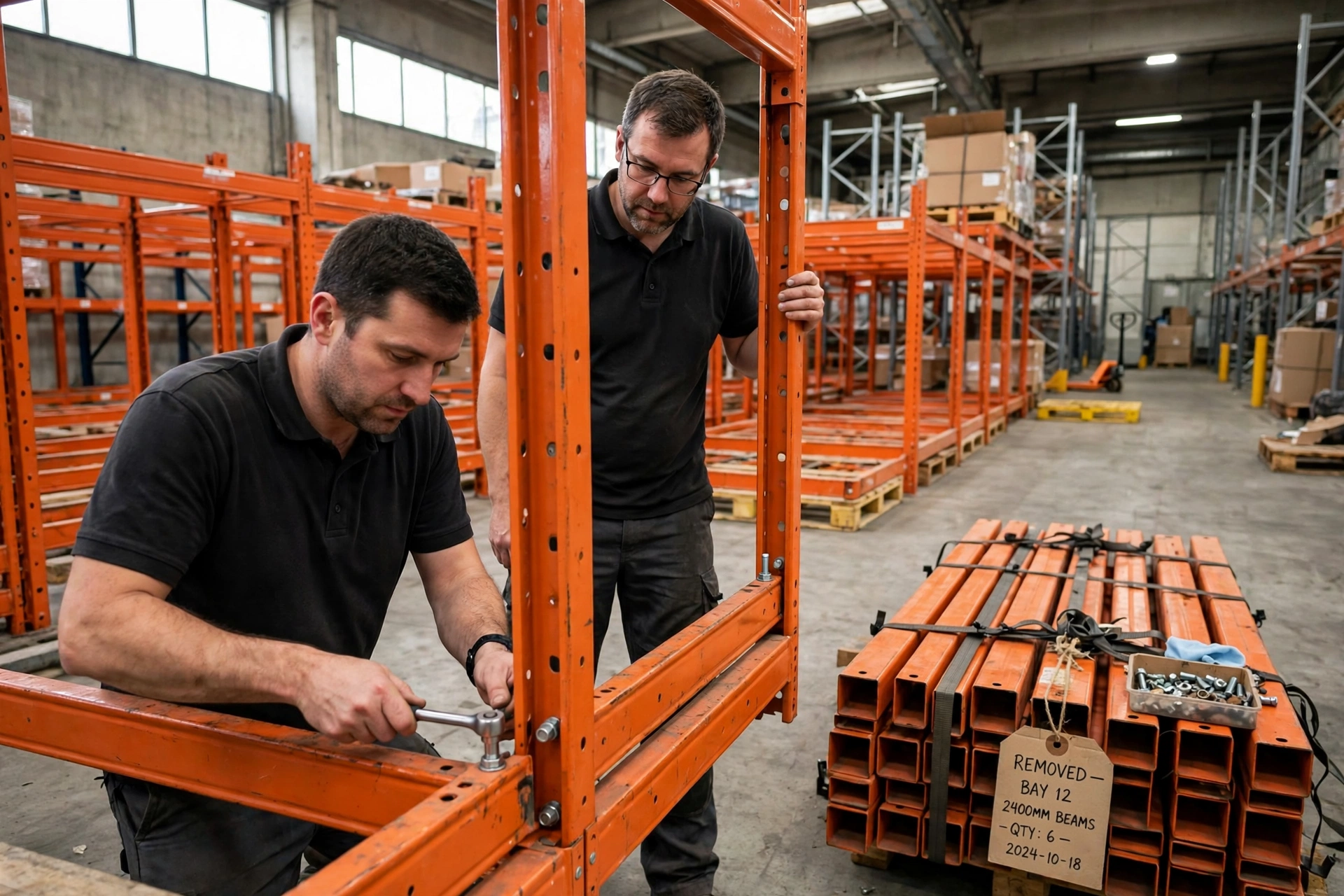
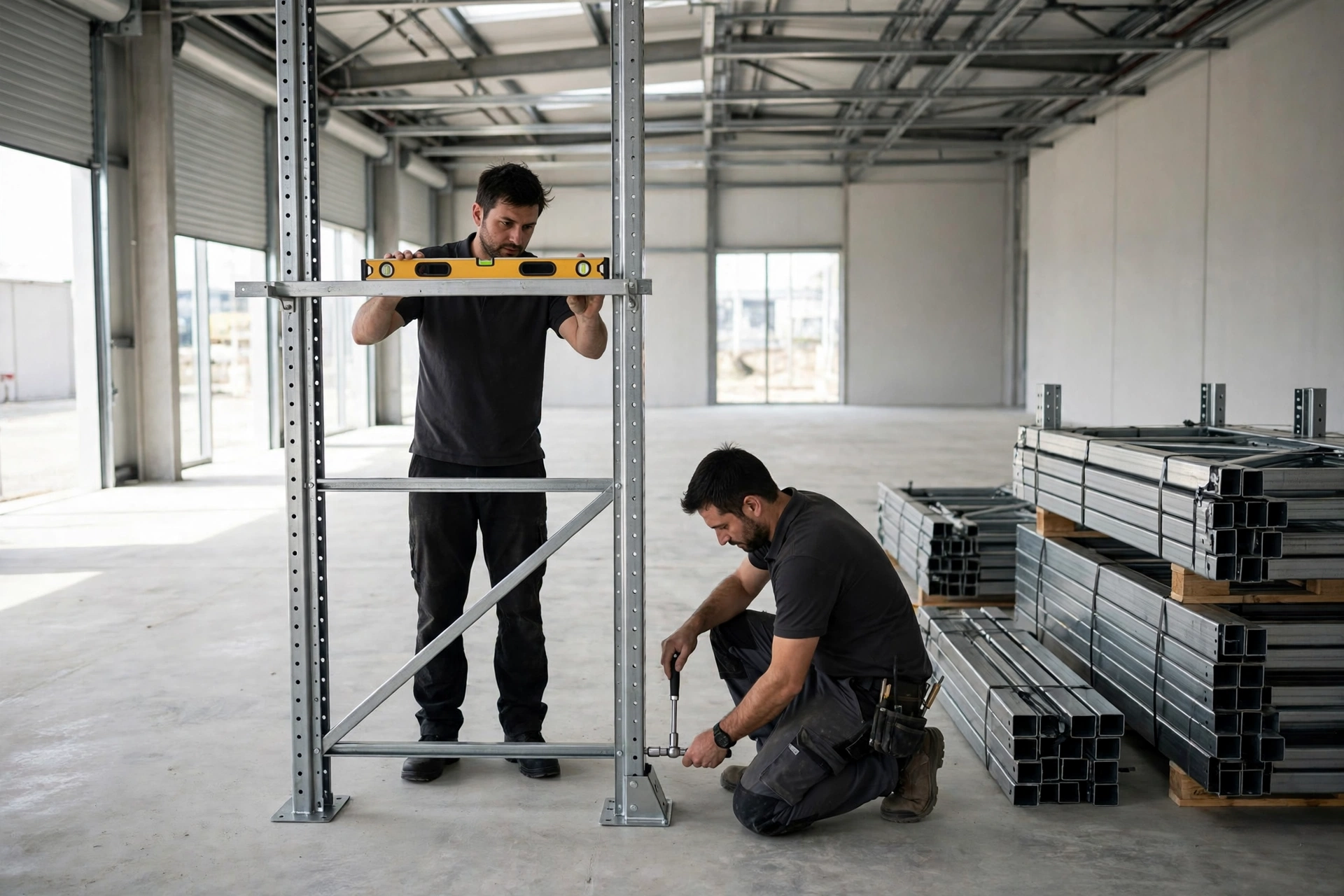
Crew unbolting a bay of pallet racking, the beams bundled and labelled on the floor beside them

Racking and Shelving Systems

We dismantle, bundle, label, transport and rebuild standard pallet racking and shelving where the system and its condition allow, to the layout agreed at the survey. Beams, frames and fixings are counted out and counted back.

  • Dismantle, bundle and label, bay by bay
  • Beams, frames and fixings counted out and back
  • Rebuild true at the new site, to the agreed layout
  • Post-rebuild inspection booked in the plan, before loading
A pallet of boxed stock being shrink-wrapped on a pallet truck between racking aisles

Stock and Pallet Relocation

Palletised, caged and loose stock moved by zone, under the inventory and labelling system set out below. Counts are checked at loading and at handover, and fast-moving lines move last so dispatch restarts first. Ambient stock as standard; temperature-sensitive stock only where the written quote names the vehicle and handling for it.

  • Zone inventory agreed before the move
  • Every pallet, cage and crate labelled to its destination zone and bay
  • Counts checked at loading and at handover
  • Fast-moving lines move last, so dispatch restarts first
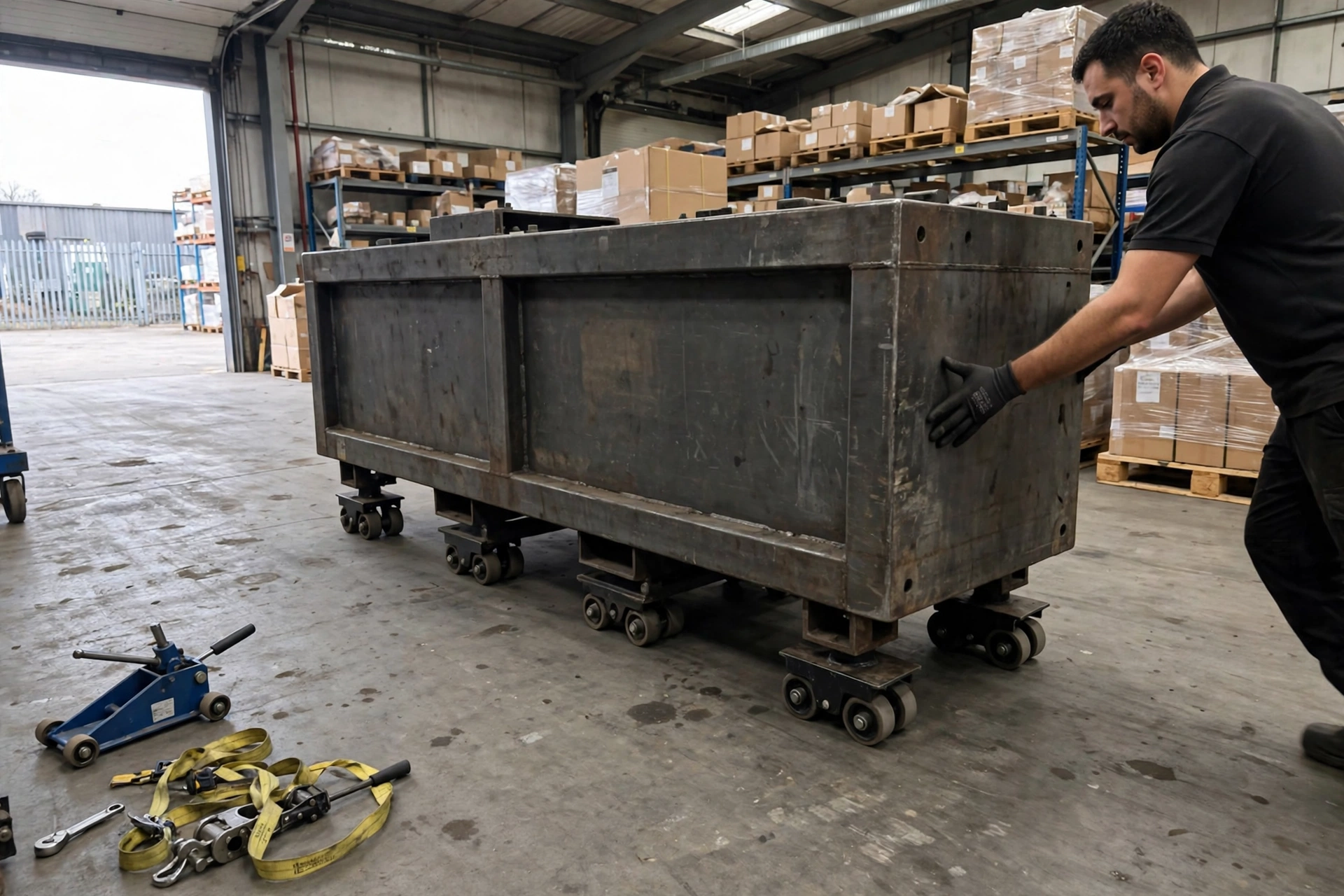
A heavy machine travelling on machinery skates across a warehouse floor, toe jack and straps nearby

Machinery and Equipment

Production equipment, presses, tooling and heavy kit moved with weights, dimensions, fixings and access agreed at the survey, on skates and lifting gear as the job needs, itemised in the quote. Disconnection and reconnection stay with your engineers or a specialist contractor named in the quote; we plan the move around their timings.

  • Weights, dimensions, fixings and access agreed at the survey
  • Skates and lifting gear itemised in the quote
  • Disconnection and reconnection with your engineers, or a named specialist
  • For servers and workstations, see our IT equipment moves service

Servers, workstations and systems have their own page: IT equipment moves.

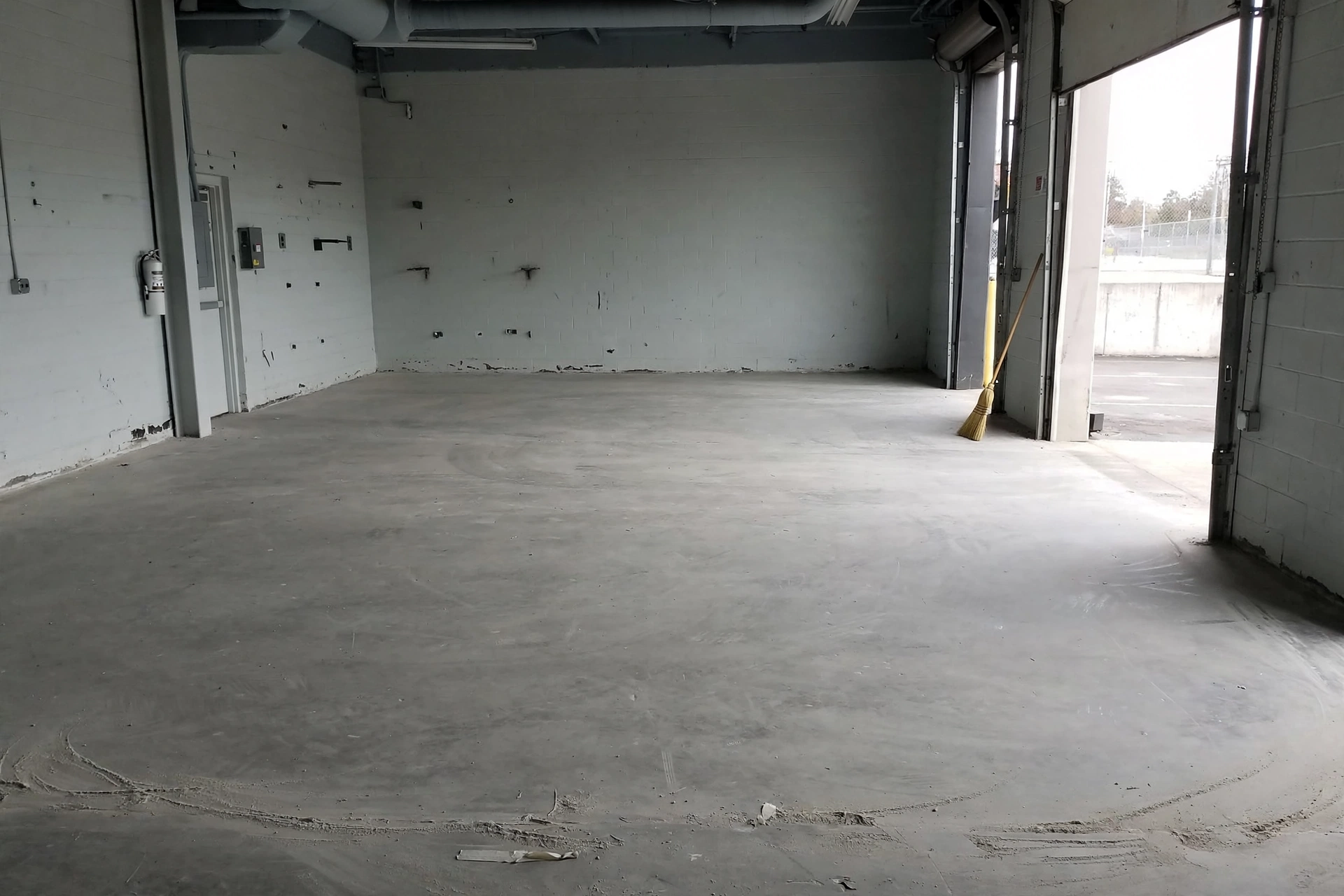
The old unit swept and empty, racking gone and the dock door open, ready for the landlord

Fit-Out Strip and Unit Clearance

At the end of a lease we strip fixtures, racking and equipment, load what is moving or being kept, and leave the unit in the condition the handover needs. Disposal is not part of the service: what is not moving goes through a registered waste carrier or the landlord’s arrangements.

  • Fixtures, racking and equipment stripped and loaded
  • What is kept moves with us to the new site
  • Disposal through a registered carrier, never on our van
  • Unit left in the condition the handover needs
WORKED TOTALS

What Does a Warehouse Move Cost?

For a small warehouse job, you can work the price out yourself from the table below: it is our published hourly card, multiplied out. If the job is a day or less of crew and vehicle work with no phasing, it is probably an hourly job. If it needs phases, a programme or specialist contractors, it is a project quote, explained underneath the table.

Warehouse jobCrewTypical timeTypical total
Stock shuttle between units on the same estate (your teams load and unload; we drive and run the shuttle)Driver Help4 to 6 hours£300 to £400
Stock-only transfer, palletised and caged stock, short hop across London2 Men4 to 6 hours£340 to £510
Small unit move, stock and equipment, no racking3 Men5 to 7 hours£500 to £700
Small warehouse move, stock plus 4 to 6 bays of racking dismantled and rebuilt3 Men7 to 8 hours (one long day)£700 to £800
Two-day phased move, fast-moving lines flipped on day two3 Men7 hours a day, 2 days£1,470

Illustrations from our published hourly card (Driver Help £70, 2 Men £85, 3 Men £100 per hour, 2-hour minimum), checked October 2026. Larger and phased warehouse moves are priced as one written project quote after a survey; for those jobs the quote, not this table, is the price.

As a shape of the market: published guides put small to medium business relocations at £1,000 to £5,000 all-in. A warehouse project quote is built from the drivers below, so you can see which part of the price each driver accounts for before you commit.

How a project price is built

The survey looks at both sites: stock and pallet counts, the racking system and its condition, machinery and its weights, dock and yard access, and your dates, including the restart time. The quote comes back as one written total, itemised by the drivers below, with phases, crew and vehicles per phase, assumptions and exclusions stated, and the overrun rate agreed at booking: if a booked day runs long, work continues at the team’s hourly rate as shown at booking. Payment is at the time of service; on phased work, each phase is paid at the time of that phase’s service, as the written quote states.

Our general guide to how much removals cost covers the wider picture. Moving an office and a warehouse together? The office move calculator gives office-led teams a first volume estimate, and office relocations covers the office side of a combined move.

THE REAL PRICE DRIVERS

The Six Drivers Behind Every Warehouse Quote

A project quote is not a figure plucked from a surveyor’s notebook. It is these six drivers, priced one by one, and your written quote shows the working.

Stock volume and pallet count

The number of pallets, cages and loose items decides vehicle size and how many shuttle runs run between the two sites. A 200-pallet move across town is a different project from 40 pallets moving two streets away.

Racking: dismantle, move, rebuild

Every bay that comes down has to be unbolted, bundled, transported and rebuilt true at the other end. Beam and frame condition matters, and the post-rebuild inspection by a qualified inspector is booked in the plan before anything is loaded on the racking.

Machinery and specialist kit

Heavy or fixed equipment can need lifting gear, skates, or engineers for disconnection and reconnection. Those costs sit outside standard crew labour and are itemised separately in the quote, with the contractor named where one is used.

Distance and number of runs

A same-estate shuffle can cycle vehicles all day. A cross-London move ties each vehicle up for hours per round trip, so distance and run count change the crew and vehicle days you are paying for.

Phasing and working hours

Moving in phases so dispatch keeps running, or compressing the flip into nights and weekends, usually means more, shorter visits. It protects trading, and the quote shows that trade-off openly rather than hiding it in a single figure.

Access and site rules at both ends

Dock levellers, yard space, booking-in systems, door heights and estate rules all change how fast a vehicle can be loaded. Poor access at either site adds handling time that the survey catches before it reaches your bill.

Questions to ask any firm, including us

A warehouse quote is hard to compare because every firm builds it differently. These five questions level the field, and they are worth asking whoever you end up booking:

  • Is the quote itemised by driver and phase, or is it one bare figure?
  • What is the overrun rate if a day runs long, and is it agreed now, in writing?
  • Who inspects the racking after the rebuild, and is that inspection in the plan?
  • Who disconnects and reconnects the machinery?
  • What is excluded from the quote?

Included in every warehouse booking

  • The survey and the written quote
  • Loading, unloading and carrying by the crew
  • Palletised and loose stock handling, wrapping and strapping
  • Racking dismantling and rebuild where named in the quote
  • Machinery and equipment moving where named in the quote, with weights and access agreed at the survey
  • The zone inventory and labelling system, run with your team
  • Phased and out-of-hours working where named in the quote
  • Fuel and mileage within London on hourly work

Not included, stated plainly

  • The post-rebuild racking inspection itself: carried out by a qualified inspector and booked as a step in the plan; the inspector’s fee is theirs, or as the quote states
  • Machinery disconnection and reconnection: your engineers, or a specialist contractor named in the quote
  • Disposal of anything: we are a removals service, not a licensed waste carrier
  • Storage charges at any facility: any unit is arranged by you in your business’s own name; we handle the transport
  • Parking suspensions and road charges, as set out under London practicalities below
  • Packing materials beyond standard wrapping, at the card prices where supplied: boxes £5 each, protective wrap £15, tape £10 per roll
An out-of-hours phase under the yard lights, crew loading while the estate is quiet

Keeping You Trading: How Phasing Works

The plan starts from the restart, not from the loading dock. We fix the time you need to be trading again at the new site, in writing, and phase everything backwards from it. Non-essentials and slow-moving lines move first. Racking is rebuilt and inspected at the new site before any fast-moving stock arrives. The working core (pick faces, fast movers and dispatch) flips last, usually over a night or a weekend, and where the two sites allow it, one part of the operation stays live throughout.

What we do not do is promise zero downtime. No mover controls your order book, your courier cut-offs or your systems, and a mover who guarantees continuity is selling a promise he cannot keep. What we commit to is the plan and the restart time, agreed in writing before the first pallet moves. Our guide to planning a warehouse or commercial move sets out the same argument in full, including the checklist to hold any mover to at quote stage.

If the new site is not ready

Lease dates slip, and fit-outs overrun. We do not run a storage facility, so the honest options are these: stock goes into a unit you arrange in your business’s own name and we run the transport at both ends, or the programme is phased to absorb a short gap. Our business storage and storage solutions pages explain how the transport side works when a move runs through storage.

Crew levelling a rebuilt racking bay at the new unit, a spirit level resting on the beam

Racking, Done Properly

Racking comes down in the order it will go back up. Bays are dismantled, beams and frames bundled and labelled by bay, fixings counted out and counted back, and the system is rebuilt true at the new site to the layout agreed at the survey. A rebuild is not finished when the last beam clips in, though. It is finished when the racking has been inspected.

Pallet racking counts as work equipment under PUWER 1998, so once it has been moved or reinstalled it needs an inspection before it is loaded. HSE guidance (HSG76) expects expert inspections by a technically competent person at least every 12 months, and after installation; the recognised expert is a SEMA Approved Racking Inspector (SARI). Our move plan books the inspection for straight after the rebuild, carried out by a qualified inspector: it is not our crew’s sign-off, and the copy of the plan you hold says so. Your Person Responsible for Racking Safety keeps the internal checks running at the new site from day one.

Content updated October 2026. Official sources for this page: Transport for London (Congestion Charge and ULEZ rates); the Health and Safety Executive, Warehousing and storage (HSG76) and the Provision and Use of Work Equipment Regulations 1998; SEMA guidance on racking inspection; the Environment Agency public register of waste carriers.

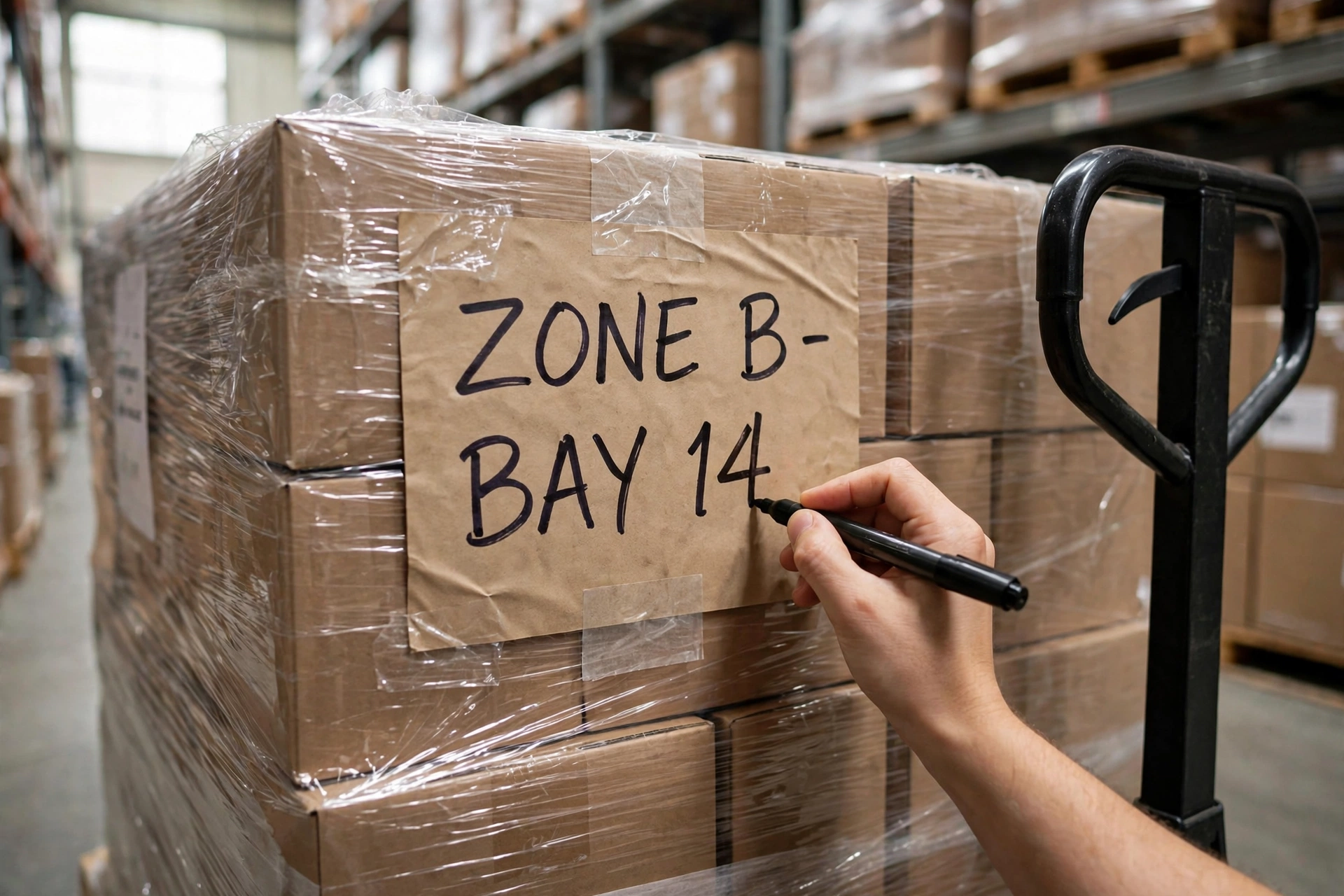
A pallet being labelled with its destination zone and bay before wrapping
STOCK CONTROL

Stock Control During the Move

Stock goes missing in badly run moves because nobody owned the count. This is our method, in the order it happens.

01

Zone inventory agreed first

Before anything moves, the stock is divided into zones with your team. Dead, damaged or obsolete stock is dealt with at this point, not transported and re-racked at the new site at your expense.

02

Labels to zone and bay

Every pallet, cage and crate is labelled to its destination zone and bay, not just to the building. A label that names the bay produces a working warehouse; a label that names the site produces double handling.

03

Counts at loading

Counts are checked against the inventory as each vehicle is loaded, phase by phase, so a discrepancy surfaces at the old site while it can still be found, not at the new one.

04

Urgent dispatch kept separate

During a phased move, the stock you may need to dispatch at short notice is held in its own marked corner and moved last, so an urgent order can still leave while the move is running.

05

Counts at handover

At the new site, counts are checked again as each phase is placed to its bays. Your stock records and warehouse system stay yours throughout; the labels and counts are the bridge between the two sites.

06

Reconciliation walk

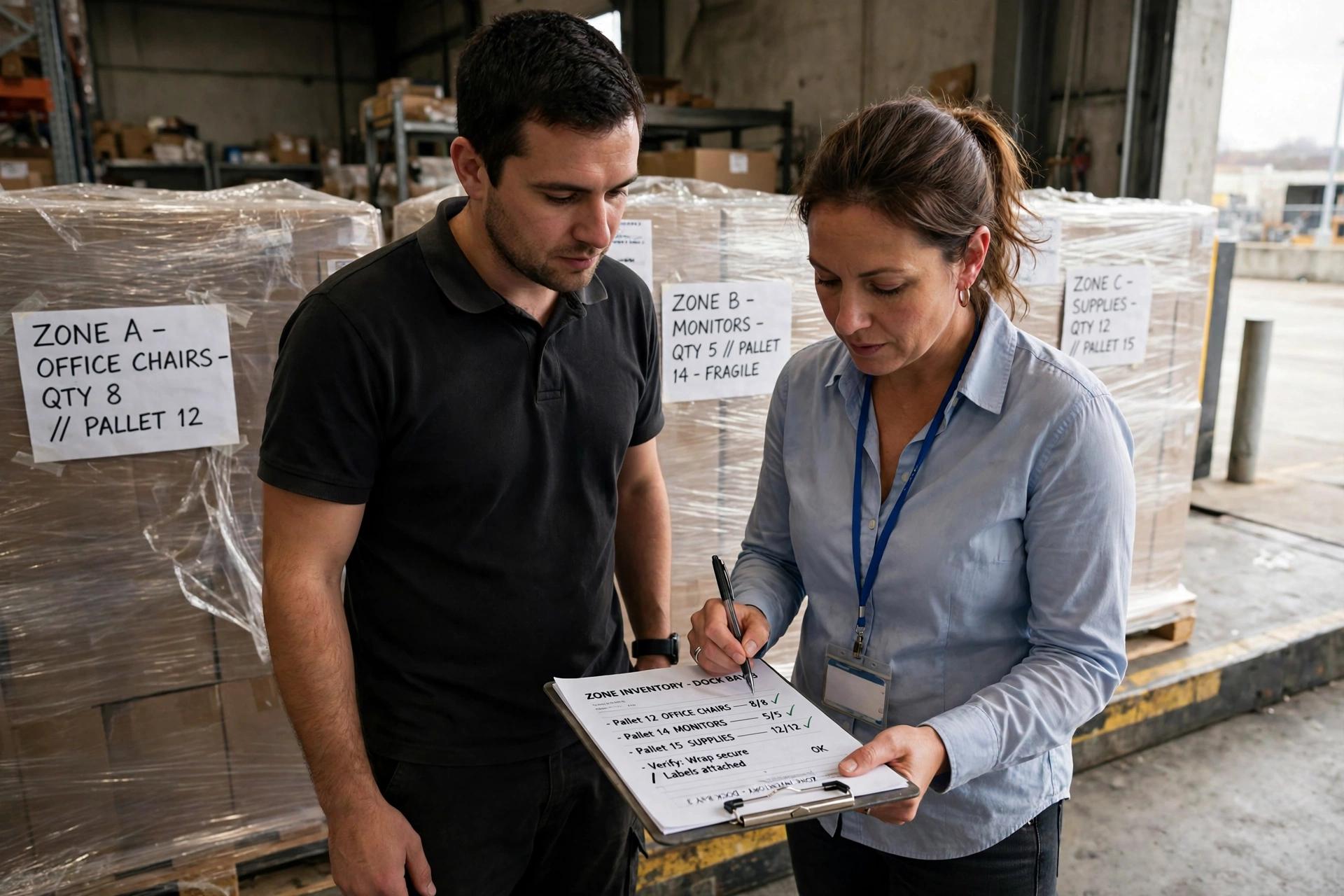
The job ends with a walk at both sites: every zone checked against the inventory at the new unit, and the old unit checked empty. Anything unresolved is listed there and then, not discovered a week later.

STOCK AND KIT

Warehouses We Move, by What Is Inside Them

What decides a warehouse move is not the industry label on the door. It is the stock, the racking and the kit inside, and how each of them has to travel.

E-commerce fulfilment

Palletised stock, pick faces, packing benches and returns areas. The pick faces are rebuilt and stocked in the order your system expects them, so fulfilment restarts in the right sequence.

Trade and distribution

Parts stores, trade counters and bulk stock. Counter stock and fast-moving parts move last and land first, because the counter is usually the part of the business that cannot pause.

Manufacturing

Tooling, raw materials and production equipment. The equipment moves under the machinery scope: weights and access agreed at the survey, disconnection with your engineers.

Retail logistics

Store stock, fixtures and returns hubs. Fixtures are stripped, bundled and rebuilt like racking; returns stock is zoned separately so it never mixes with forward stock.

Print and production

Paper stock, presses and finishing equipment. Paper moves dry, flat and in sequence; presses and finishing kit move as machinery, with lifting gear itemised where the weights need it.

Food and drink

Ambient stock as standard: palletised cases, kegs and dry goods moved by zone like any other stock. Temperature-sensitive stock is moved only where the written quote names the vehicle and the handling for it.

THE PROCESS

How a Warehouse Move Works

Five stages, stated as commitments rather than questions. One named contact who surveyed your site runs the move through all five.

01

Survey and scoping

We survey both sites: stock, racking, machinery, access, site rules, and the time you need to be trading again. One named contact who surveyed your site runs the move from this visit to the final walk.

02

Move plan and written quote

You get the plan and one itemised written quote: phases, crew and vehicles per phase, responsibilities named, the racking inspection booked, and the overrun rate agreed before work starts.

03

Preparation

The zone inventory is agreed, labels are made out to destination zone and bay, the destination layout is marked up, and last-inbound and last-dispatch times are fixed at the old site.

04

The phased move

Work runs in the agreed order, out of hours where the plan says so. Slow lines and non-essentials go first, the working core flips last, and counts are checked at every handover.

05

Rebuild, inspection and sign-off

Racking is rebuilt and inspected before loading, stock is placed to its bays, and we walk a final reconciliation at both sites with you before the job is signed off.

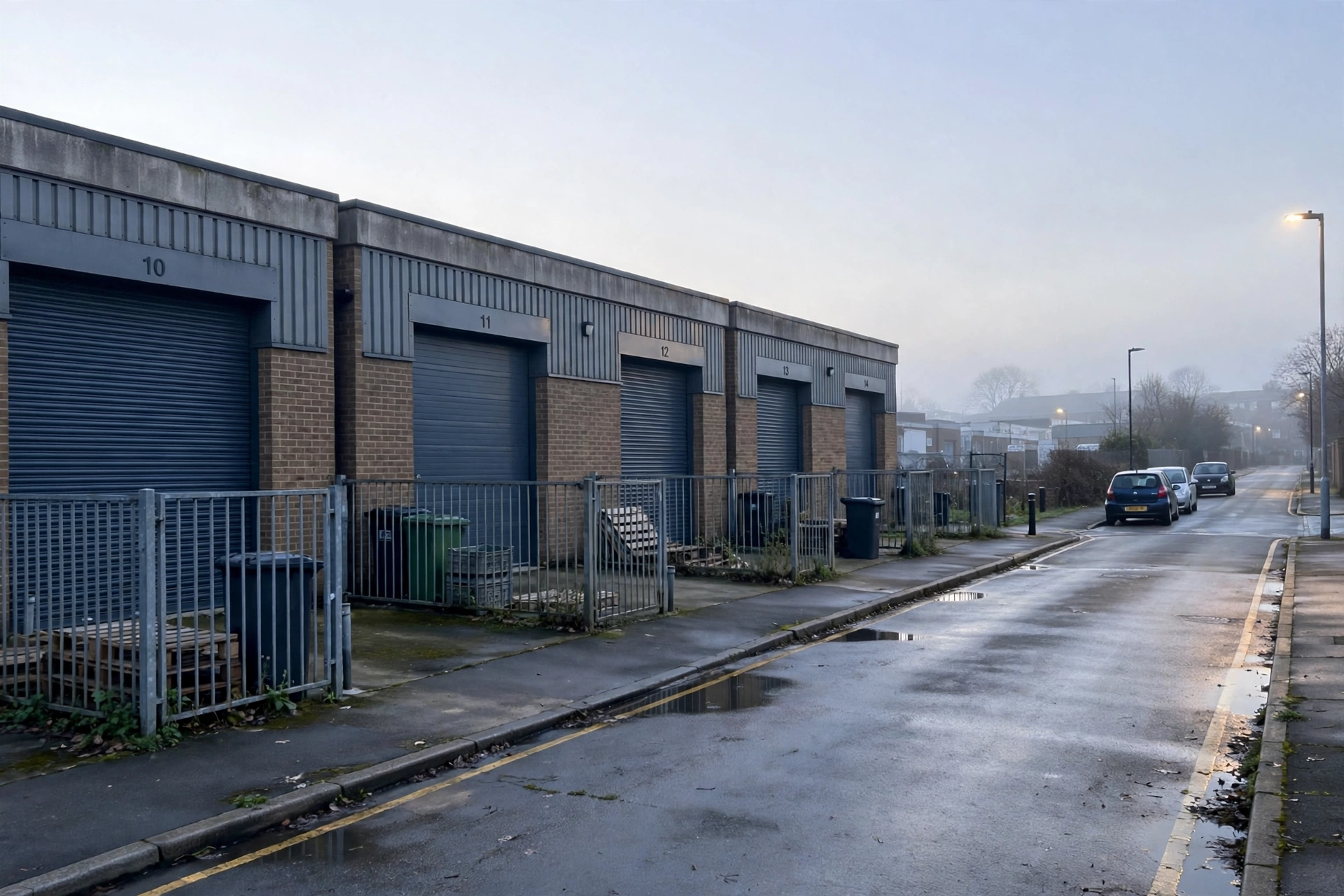
A row of industrial units on a London estate road at dawn
WHERE LONDON WAREHOUSES ARE

London’s Industrial Districts

London’s warehousing clusters in a handful of districts, and each one moves differently. Prime industrial rents run from £16.00 to £37.50 per sq ft across the capital (Savills), which is why so many of these moves are lease events: upsizing, downsizing, or a break clause forcing the date.

Park Royal, NW10

At about 450 hectares, Park Royal is the largest industrial estate in London, strong in food production, distribution and film support. Estate roads are tight for large vehicles and many units run booked loading slots, so vehicle timing is agreed with estate management and neighbours at the survey.

Enfield and the Lea Valley

The Lea Valley corridor from Tottenham to Brimsdown and Innova Park in Enfield is north London’s main logistics cluster, home to Amazon, DHL, Coca-Cola and Warburtons operations. Yards are usually workable, but A10 and A406 traffic peaks hard, so early starts and phased runs keep a programme on track.

Heathrow and Colnbrook

Air-freight and logistics units around the airport work to security and access rules that general industrial estates do not have. Driver details and vehicle bookings are lodged in advance, and the survey captures both sites’ requirements so no vehicle is turned away.

Barking, Dagenham and the Thames Gateway

Newer big-box units with proper yards and dock levellers along the A13: the easiest access profile in London, and our home ground. Prime rents here run at about £22.50 per sq ft, and moves are usually limited by stock volume, not by the buildings.

Croydon and Purley Way, CR0

Trade and retail warehousing along the A23 corridor, much of it in older converted units. Internal heights, shared yards and retail-park delivery windows are checked before a date is fixed, because they decide how a phase can be loaded.

Moving between districts

Most London warehouse moves are two access problems joined by a drive. The survey covers both ends, dock and yard at the old site, receiving hours and racking readiness at the new one, so vehicles never wait on a building.

London Practicalities for Warehouse Moves

The operational detail that decides whether a warehouse move runs to its programme, most of it settled at the survey rather than discovered on the day.

Booking-in, docks and yards

Estates run booking-in systems, loading slots and yard rules, and the tightest driver-detail requirements sit around Heathrow. Dock levellers, door heights and turning space are checked at the survey at both ends, so vehicles are loaded and received to a timetable instead of waiting on a building.

Standing and parking

On a private estate, the estate’s own rules govern where a vehicle stands. Where a vehicle must stand on the public highway instead, on a residents’ bay or a meter bay, a borough suspension or dispensation applies: in Westminster, £51 per 5m space per day in Zones A, C and D (£55 in Zones B, E, F and G), with 10 working days’ notice and a £20 short-notice fee. It matters where a central London unit genuinely has no yard, and the survey flags it early.

Road charges, stated once

The Congestion Charge is £18 per day from 2 January 2026, or £21 if paid by the third day after travel. ULEZ is £12.50 per day, payable only by vehicles that do not meet the standard, across all boroughs, 24 hours a day except Christmas Day. Most warehouse districts sit outside the central charging zone. Any road charges that apply to your route are confirmed in your written quote before you book.

Strip-out waste: the legal routes

We move stock, racking and equipment to your new site, or to a person, buyer or charity you name. We are a removals service, not a licensed waste carrier, so we do not take strip-out waste away for disposal. The legal routes are a registered waste carrier, checkable free on the Environment Agency public register, or your landlord’s or the council’s commercial collection, and the duty of care stays with the occupier.

For contents that are not moving and not stock, a person, buyer or charity you name can receive them on the same run. Anything beyond that goes through the routes above: the council’s bulky collection or a registered waste carrier you appoint.

COMPARE

The Typical Way vs With Vano Removals

Point of comparisonThe typical wayWith Vano Removals
The quoteA single figure after a survey, or an online estimate that changes once someone visitsAn itemised written quote built from named drivers, with phases, crew and vehicles per phase, and the restart time stated
Small warehouse jobsAbsorbed into project pricing, or refused below a minimum project sizeRun on a published hourly card with worked totals, 2-hour minimum, from £140
DowntimeSold as a promise (“zero downtime”) that no mover controlsA phased plan: slow lines first, fast movers last, restart time agreed in writing; no promise we cannot keep
RackingDismantle and rebuild sold as one line; the inspection afterwards left for you to discoverRebuild scope named in the quote, and the post-rebuild inspection (PUWER, HSG76) booked as a step in the plan
Who does the workA national network’s local partner or franchise crew, assigned to your jobThe firm you booked and spoke to; one named contact who surveyed your site runs the move
Deposit and cancellationTerms rarely published in advance on commercial pagesNo deposit; free cancellation up to 24 hours before; both printed on this page

Based on the published services, prices and terms of London warehouse and commercial removals firms and relocation guides, checked October 2026. See the full comparison of moving options at /compare.

A crew member and the customer's manager checking the zone inventory against a loaded bay at handover

Rated 5.0 on Google

The rating that sits beside our prices is the one customers leave on Google. Three of them, in their own words:

Best house removal company around. The team at Vano Removals was punctual, hard-working, and handled our furniture with great care. If you need reliable, stress-free local movers or packing services, I highly recommend them.
Muhammad SaadGoogle review
Absolutely brilliant. Clear communication, good rates, very responsive to last minute changes, took furniture apart, put back together. Would use again.
Chris RogersGoogle review
Vano Removals moved our 2-bed flat from Croydon to Sutton last week. The two-man crew arrived on time, wrapped the sofa and TV properly, and finished quicker than I expected. Nothing was damaged. Booking was simple and the final price matched the written quote. Would use them again.
Irfan ShahzadGoogle review

Warehouse Move FAQs

The questions warehouse and operations managers ask us, cost first. If you do not see yours, call us.

Talk to the team

Send both site postcodes and the shape of the job, and the survey is the next step. No deposit, and the restart time goes in writing.

07459 180023

There is no honest per-pallet or per-square-foot rate for a warehouse move, and no London warehouse mover publishes one. Two price shapes cover nearly every job. Small warehouse jobs run on our published hourly card: a stock-only transfer with 2 Men over 4 to 6 hours is £340 to £510, and a small unit move with 3 Men over 5 to 7 hours is £500 to £700. Larger and phased moves are one written project price after a survey, built from the six drivers on this page: stock volume, racking, machinery, distance and runs, phasing and hours, and access at both ends. Published guides put small to medium business relocations at £1,000 to £5,000 all-in, and a warehouse project quote shows you which driver accounts for which part of the price before you commit.

From a survey of both sites. We look at the stock and pallet count, the racking system and its condition, any machinery and its weights, dock and yard access at both ends, and the dates you are working to, including the time you need to be trading again. The written quote comes back itemised by driver and phase, with crew and vehicles per phase, assumptions and exclusions stated, and the overrun rate agreed at booking: if a booked day runs long, work continues at the team’s hourly rate as shown at booking. Quotes are valid for 7 days.

Both, and the job shape decides. A job of a day or less with no phasing (a stock transfer, a stock-only unit move, a few bays of racking, a shuttle day) runs hourly on the published card: Driver Help £70 per hour, 2 Men £85, 3 Men £100, 2-hour minimum. Phased, multi-day or specialist work is one written project total after a survey. Nothing inside a project quote is billed hourly; the project price is the price, with the overrun position agreed before work starts.

A small unit with a few bays of racking moves in a day or two once preparation is done. Larger sites phase over nights or a weekend so dispatch is protected, and big distribution sites run over one to two weeks. The survey sets the programme: what moves in each phase, how many vehicle runs each phase needs, and the restart time at the new site, agreed in writing before the first pallet moves.

As soon as your dates exist, because the survey comes first and the plan is built from it. A small unit move can turn around in weeks. Anything with racking, phasing or a lease deadline wants months, not days, and every serious guide gives the same warning: avoid your peak trading weeks and your heaviest stock weeks when you pick the date.

Yes, that is what phasing is for. Non-essentials and slow-moving lines move first, racking is rebuilt and inspected at the new site, and the working core (fast-moving lines and dispatch) flips last, usually over a night or a weekend, so the restart time is the one agreed in writing. We do not promise zero downtime, because no mover controls your orders or your systems; we plan the move so the gap is as short as the two sites allow.

Yes, where the system and its condition allow: we dismantle, bundle, label, transport and rebuild standard pallet racking and shelving to the layout agreed at the survey, and the scope is named in the quote. One step is not optional. Pallet racking is work equipment under PUWER 1998, and HSE guidance (HSG76) expects an expert inspection after installation and before loading, carried out by a technically competent person, in practice a SEMA Approved Racking Inspector. Our plan books that inspection for straight after the rebuild; it is the inspector who signs the racking off, not our crew.

Yes. Machinery and equipment move with weights, dimensions, fixings and access agreed at the survey, on skates and lifting gear as the job needs, with the lifting equipment itemised in the quote. Disconnection and reconnection stay with your engineers, or a specialist contractor named in the quote, and we plan the move around their timings.

By a zone-based inventory agreed before the move starts. Every pallet, cage and crate is labelled to its destination zone and bay, counts are checked at loading and again at handover, and we walk a reconciliation at the end of the job. Your stock records and warehouse system stay yours throughout; the labels and counts are the bridge between the two sites.

Yes. Out-of-hours phases are a normal part of warehouse moves, and they are how the working core flips without touching your trading hours. The hours for each phase are stated in the written quote, so night and weekend working is priced in, not added later.

The Congestion Charge is £18 per day from 2 January 2026 (£21 if paid late), and ULEZ is £12.50 per day, payable only by vehicles that do not meet the standard. Most warehouse districts sit outside the central charging zone, but where road charges apply to your route they are confirmed in the written quote before you book, so the total you agree is the total you pay.

Yes: we strip fixtures, racking and equipment, and load what is moving or being kept. What is not moving needs a legal route of its own. We are a removals service, not a licensed waste carrier, so we do not take strip-out waste away for disposal. Disposal goes through a registered waste carrier (any carrier can be checked free on the Environment Agency public register) or your landlord’s or the council’s commercial collection, and the duty of care stays with the occupier.

We do not run a storage facility, and we will not pretend otherwise. Two honest routes cover a gap: the stock goes to a storage unit you arrange in your business’s own name and we run the transport at both ends, or the programme is phased to absorb a short gap. Our storage solutions page explains how the transport side works when a move runs through storage.

Insurance is as stated in your written quote: ask us to confirm in writing. Tell us about high-value stock and equipment at the survey, so the quote reflects it.

Free of charge up to 24 hours before the move. Inside 24 hours, a cancellation charge of up to 25 percent of the quoted price applies, per the booking terms. Quotes are valid for 7 days, and payment is at the time of service; on phased work, each phase is paid at the time of that phase’s service, as the written quote states.

London and the surrounding areas as standard, with both site postcodes setting the quote. Longer moves are priced as individual written quotes in the same way: survey, drivers, phases, one total. Send both postcodes and the shape of the job and we will price it.

Planning a Warehouse Move?

Send both site postcodes, the shape of the stock and racking, and the date you are working to. The survey comes first, then one itemised written quote with the restart time stated. No deposit.

Or email info@vanoremovals.co.uk

About the author

Ahmer Faiz, founder of Vano Removals

Ahmer Faiz, Founder, Vano Removals

Ahmer runs the small London crew that carries out every Vano move, sets the published hourly rates on this website, and replies to every Google review personally. Every guide on this site is written from the moves the team actually does, and checked against the council and TfL pages it quotes.

Reviewed by Ahmer Faiz on 5 November 2026 · Next review: 5 May 2027 · More about Vano Removals

A clearer move starts with a clear scope

  • Describe the inventory, route and access at both addresses
  • Identify bulky, fragile or unusually valuable items in advance
  • Agree any packing, storage or specialist work before booking
  • Confirm the moving date and site restrictions before arrangements are final
  • Ask how waiting time or a change in scope affects the quote

Confirm the agreed service, timing, price and any exclusions in writing before booking.

Moving house checklist for London
Tailored moving support

Ready for a Simpler Move?

Request a written quote and let us take the stress out of your move.

Response times vary
Mon-Fri 7am-8pm, Sat 8am-6pm, Sun 9am-4pm
Movers loading belongings into a removals van in London

Customer Reviews

What our customers say

Real, unedited reviews from customers we’ve moved across London.

5.0Excellent
Google reviews

“Best house removal company around. The team at Vano Removals was punctual, hard-working, and handled our furniture with great care. If you need reliable, stress-free local movers or packing services, I highly recommend them.”

Muhammad Saad

Google review · October 2026

Review 1 of 7: Muhammad Saad
Read all reviews on Google

These are unedited reviews from our Google Business Profile. Moved with us recently? Your honest review helps other Londoners choose with confidence.