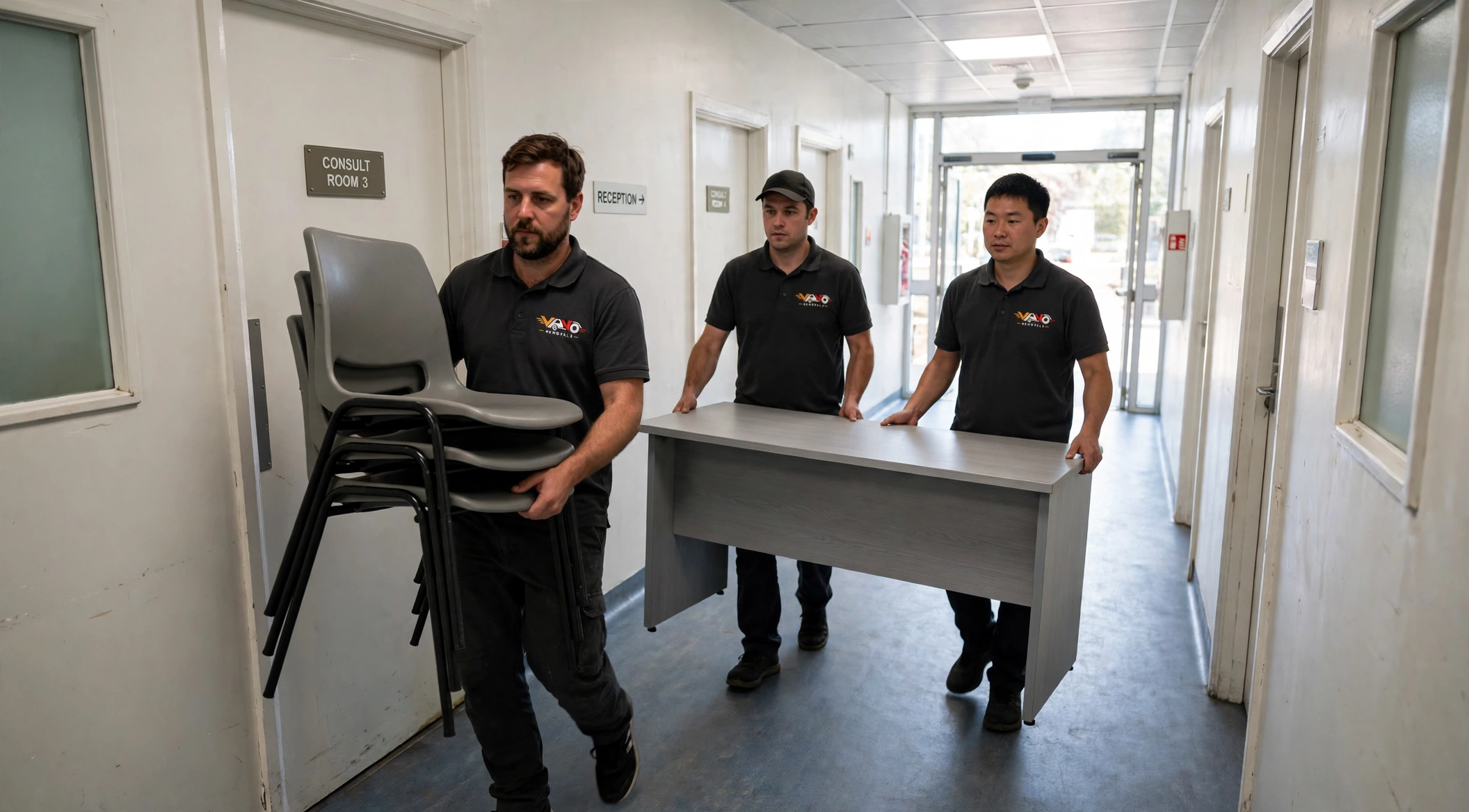
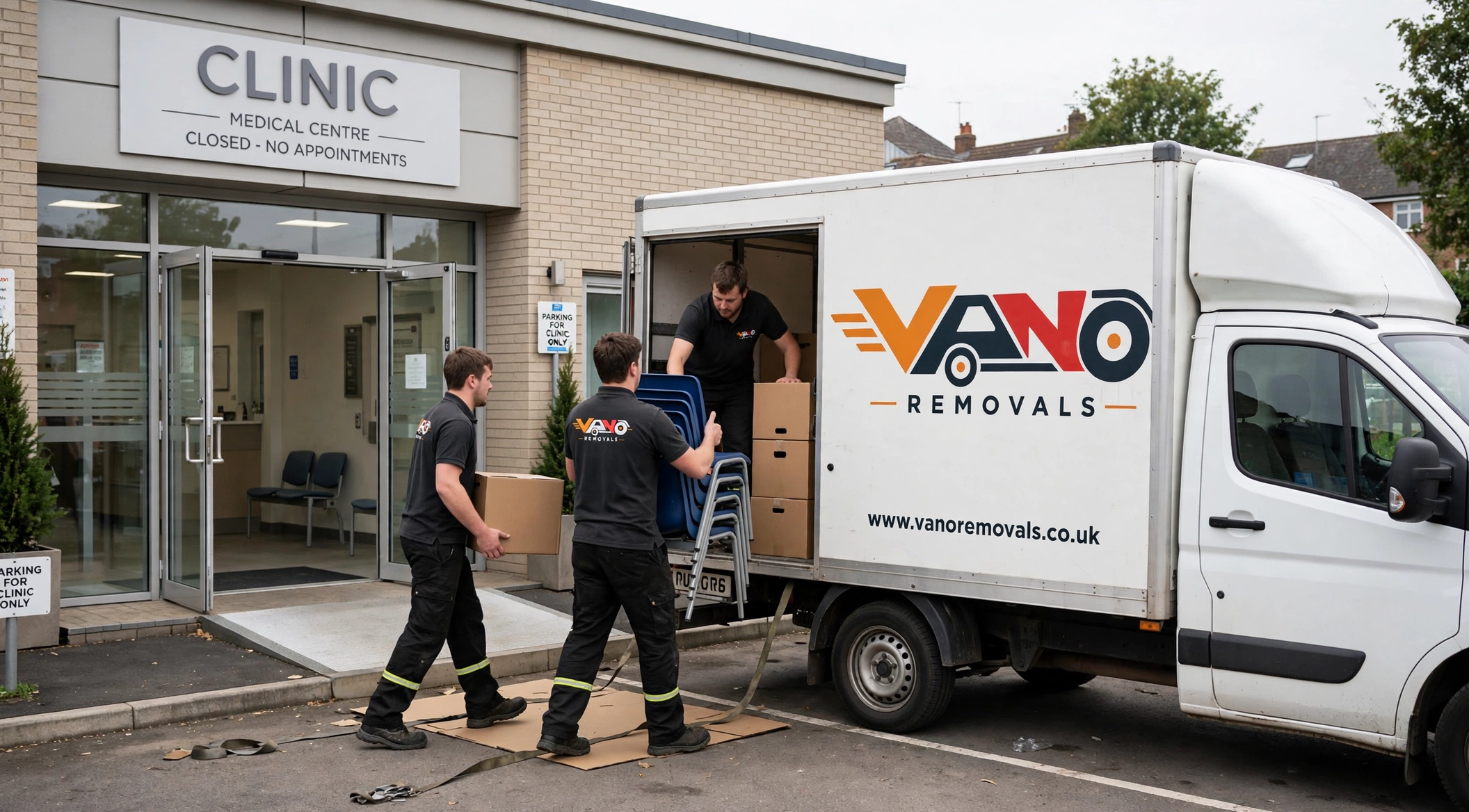
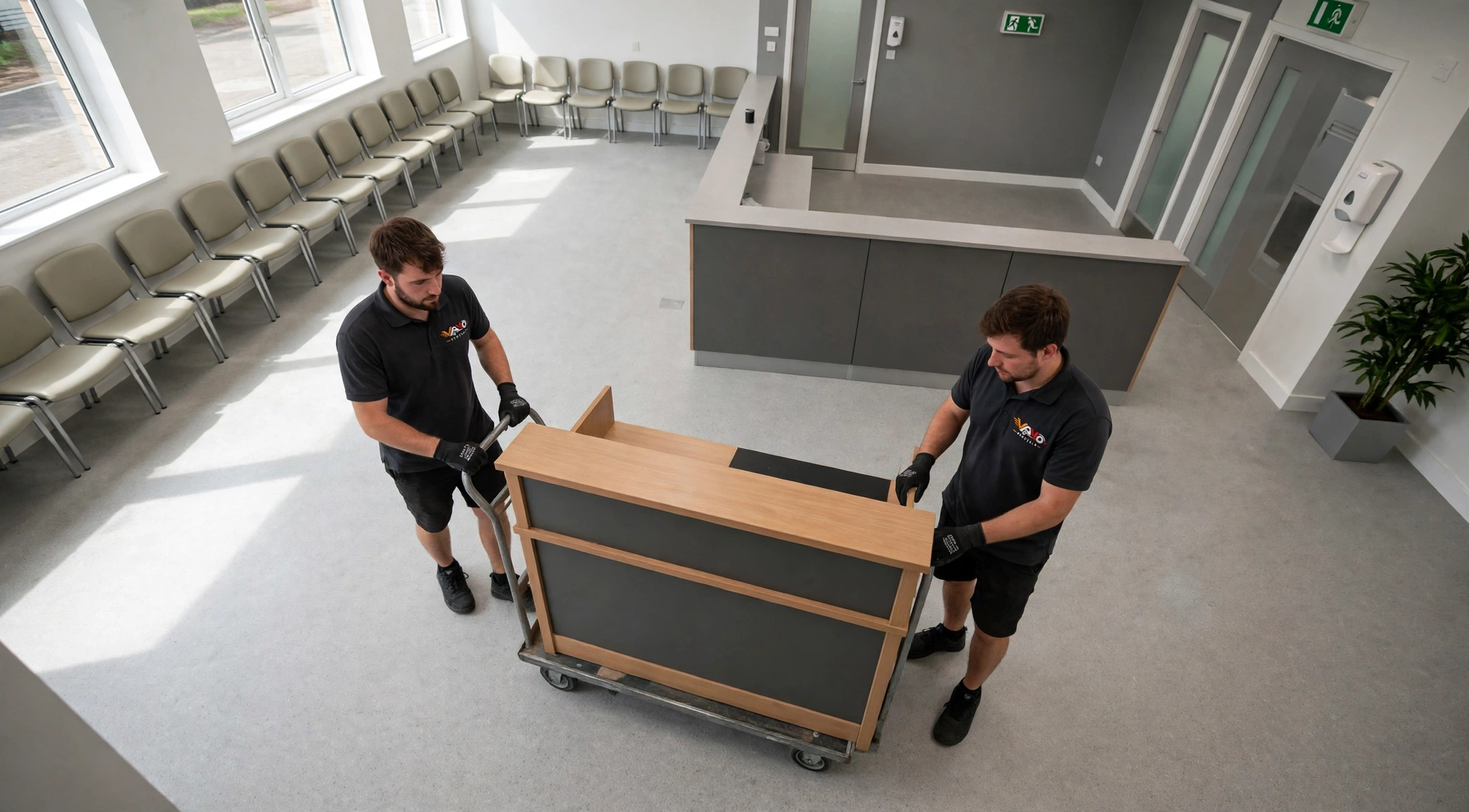
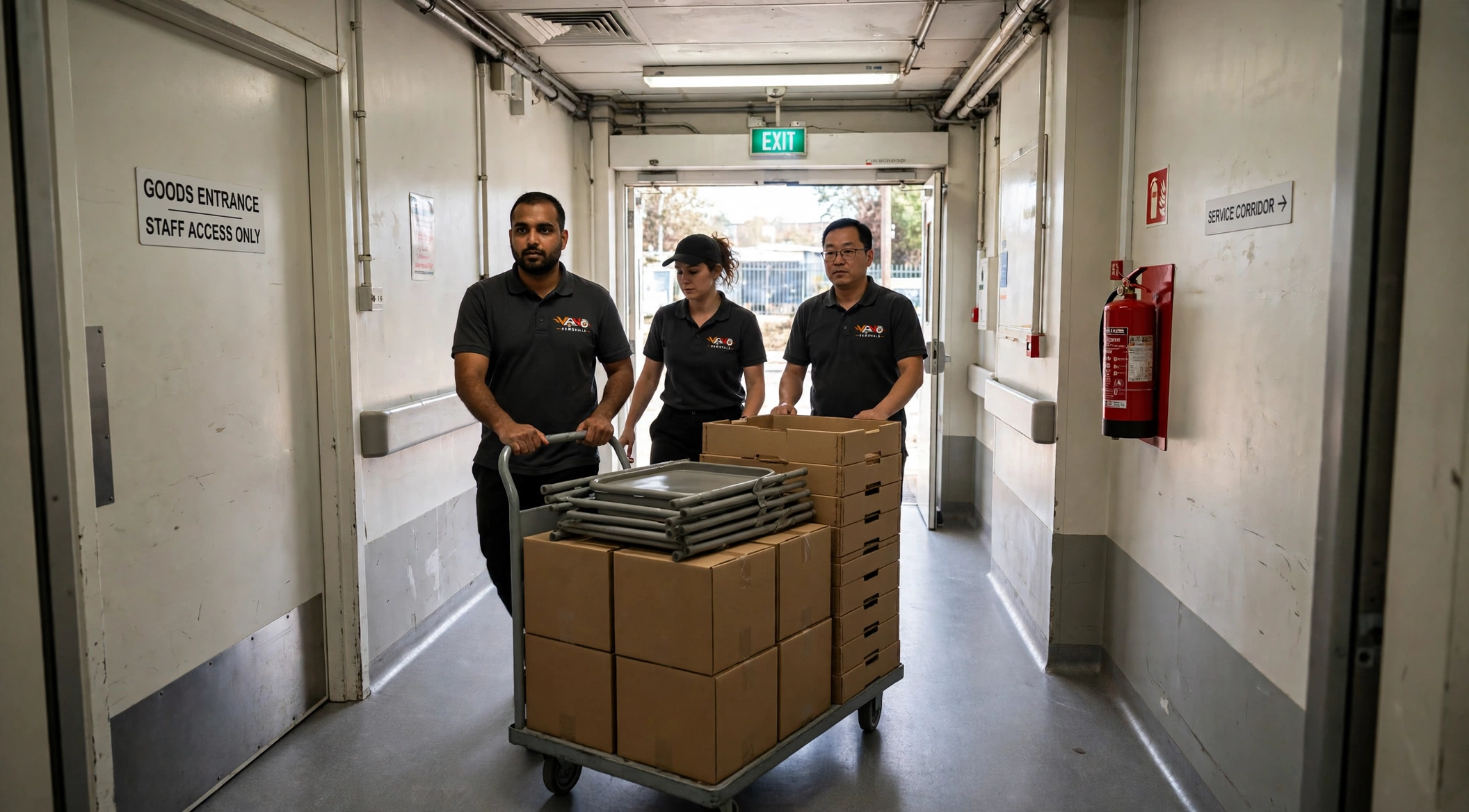
Healthcare Clinic Relocations supports clinic operators relocating furniture, administrative areas, and agreed equipment when patient sensitivity and service continuity shape the timing and work zones. A successful move starts by defining what the service needs to achieve: which items must leave, where they are going, when each space is available, and what should be ready at the destination. This detail matters because the same label can describe very different jobs. A small, accessible collection is not the same as a multi-room relocation with strict site windows. Establishing the actual scope allows the team to discuss a proportionate plan and identify unanswered questions before a booking is confirmed.
Clinic relocations can involve reception furniture, consultation-room contents, office equipment, and items that must be handled under the organisation’s own clinical procedures. Identify equipment that requires calibration, decontamination, specialist packing, or a qualified service provider rather than ordinary transport. The first conversation should cover both the physical work and the surrounding timetable. Note the people who control access, the hours when loading is permitted, and any work that must happen before or after transport. If a deadline depends on another supplier, landlord, building manager, or internal team, identify that dependency early. Appointment schedules, patient communications, service downtime, equipment checks, and any phased reopening requirements A realistic sequence should leave room for checks at collection and delivery instead of relying on a perfect, uninterrupted day.
Access is a practical part of the service, not a footnote. Explain the vehicle approach, stopping point, carry distance, stairs, lifts, door widths, security checks, and any rules that apply to shared areas. Patient records, medicines, clinical waste, and regulated equipment must be handled under the organisation’s policies and applicable requirements. Confirm privacy controls and assign authorised staff to manage sensitive material. Where a detail is uncertain, flag it rather than treating it as resolved. This makes it easier to discuss an alternative loading point, a revised time, a smaller staged collection, or a site visit if one is appropriate.
The written scope should make responsibilities easy to understand. List what the customer prepares, what the moving crew handles, how items are identified, and who authorises changes. Separate standard moving work from packing, installation, disposal, storage, or specialist services that may need other providers. Remove or secure confidential records, identify clinical equipment and ownership, and arrange qualified staff for shutdown and recommissioning Before departure, confirm the destination contact and the method for checking that the agreed goods have arrived.