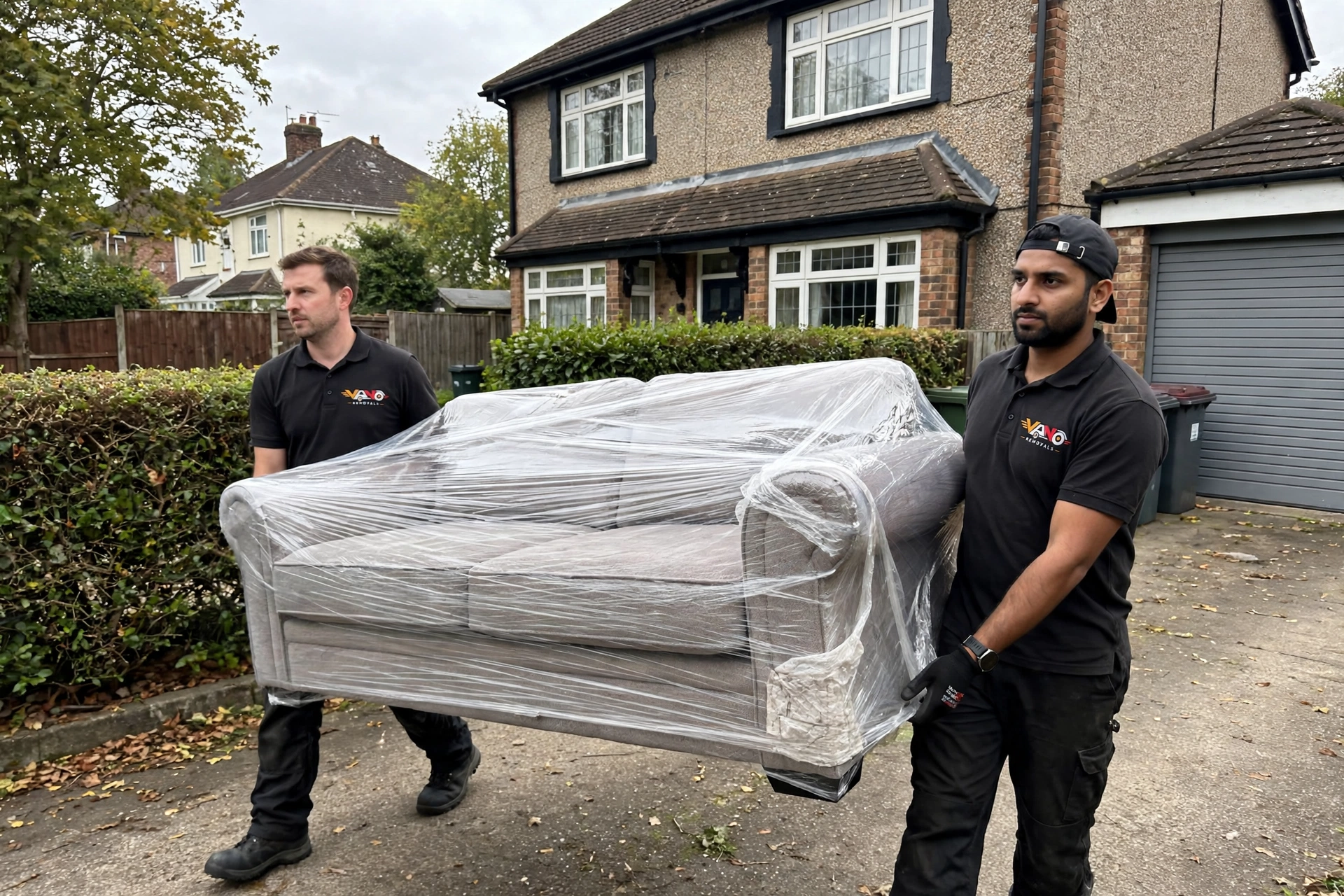
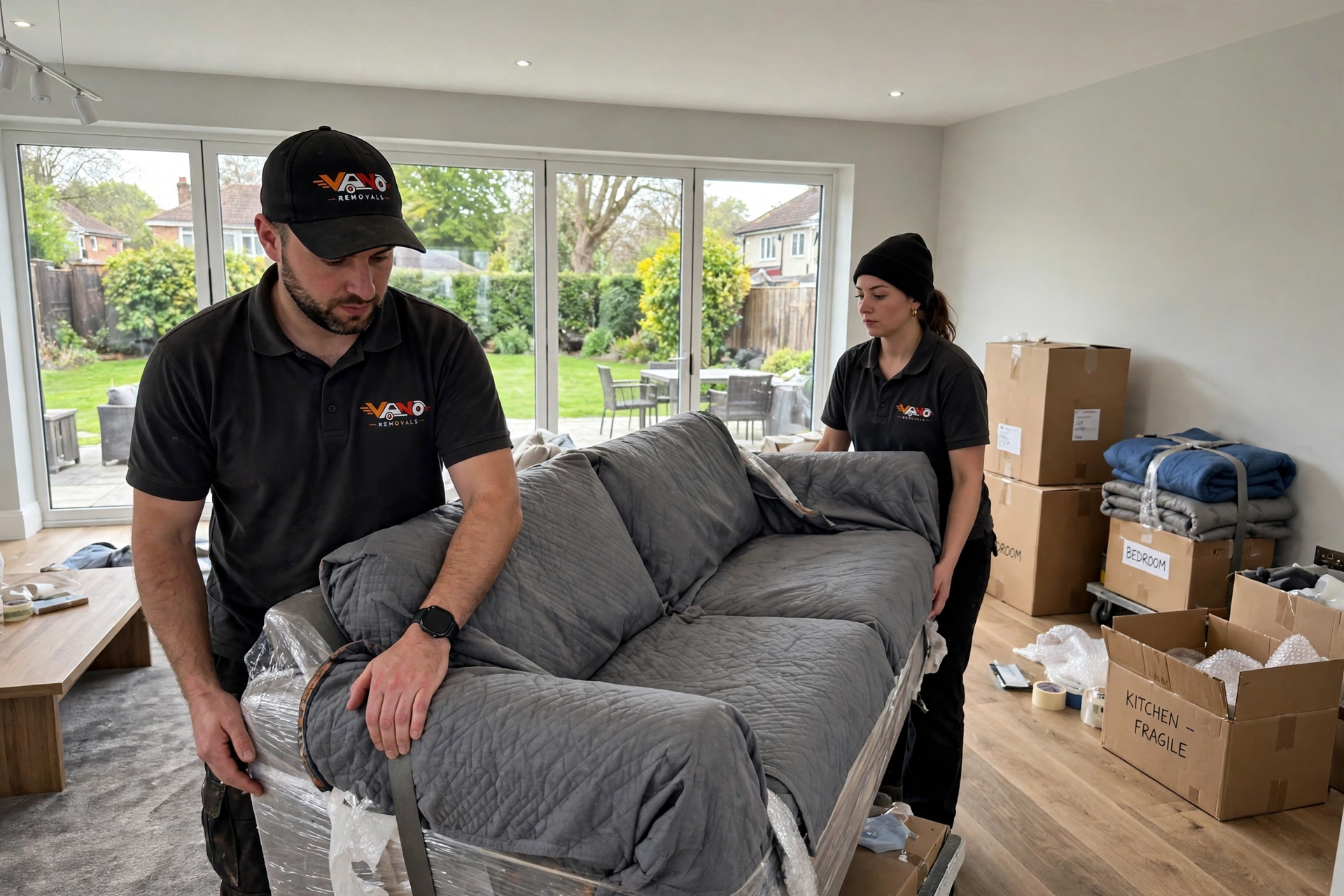
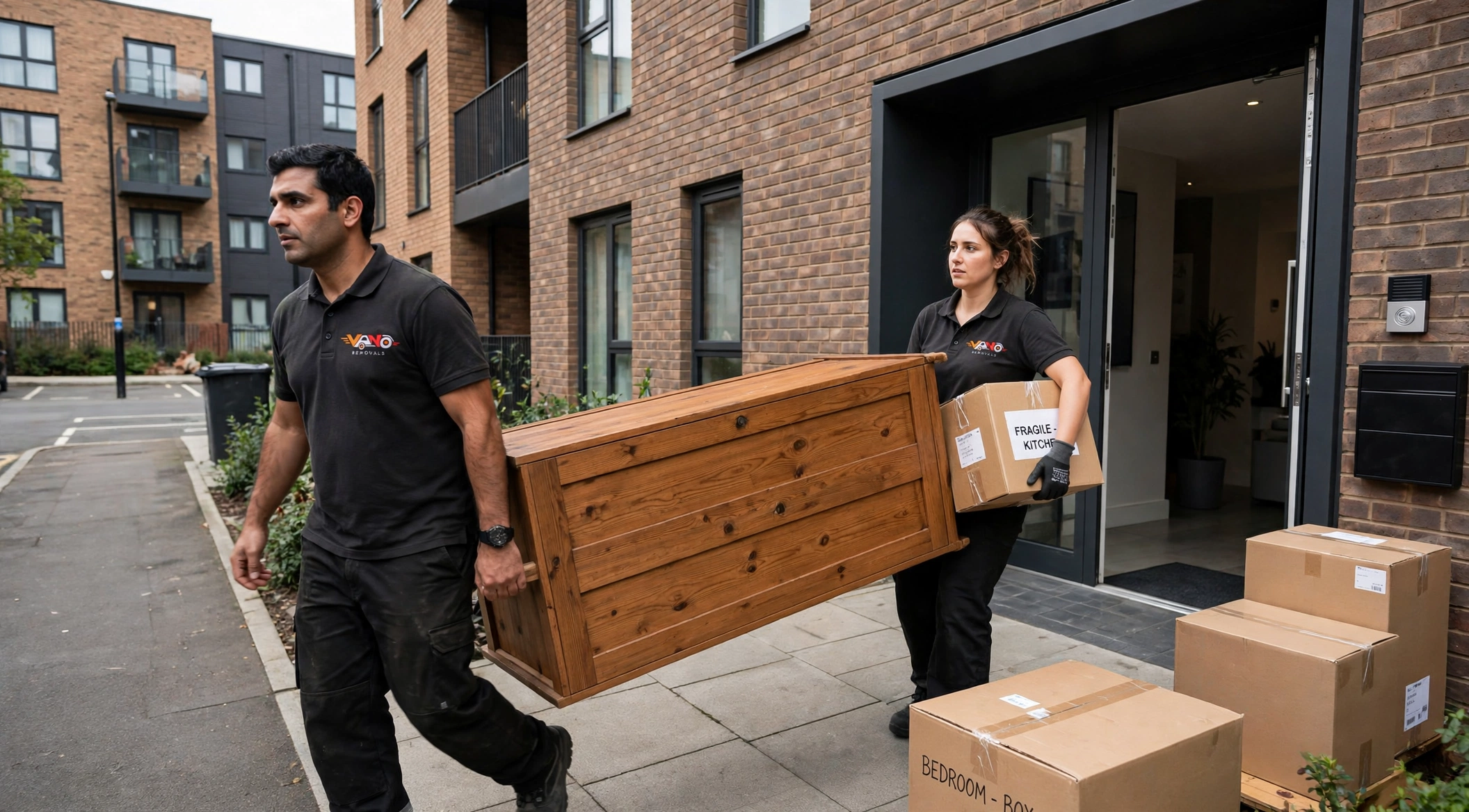
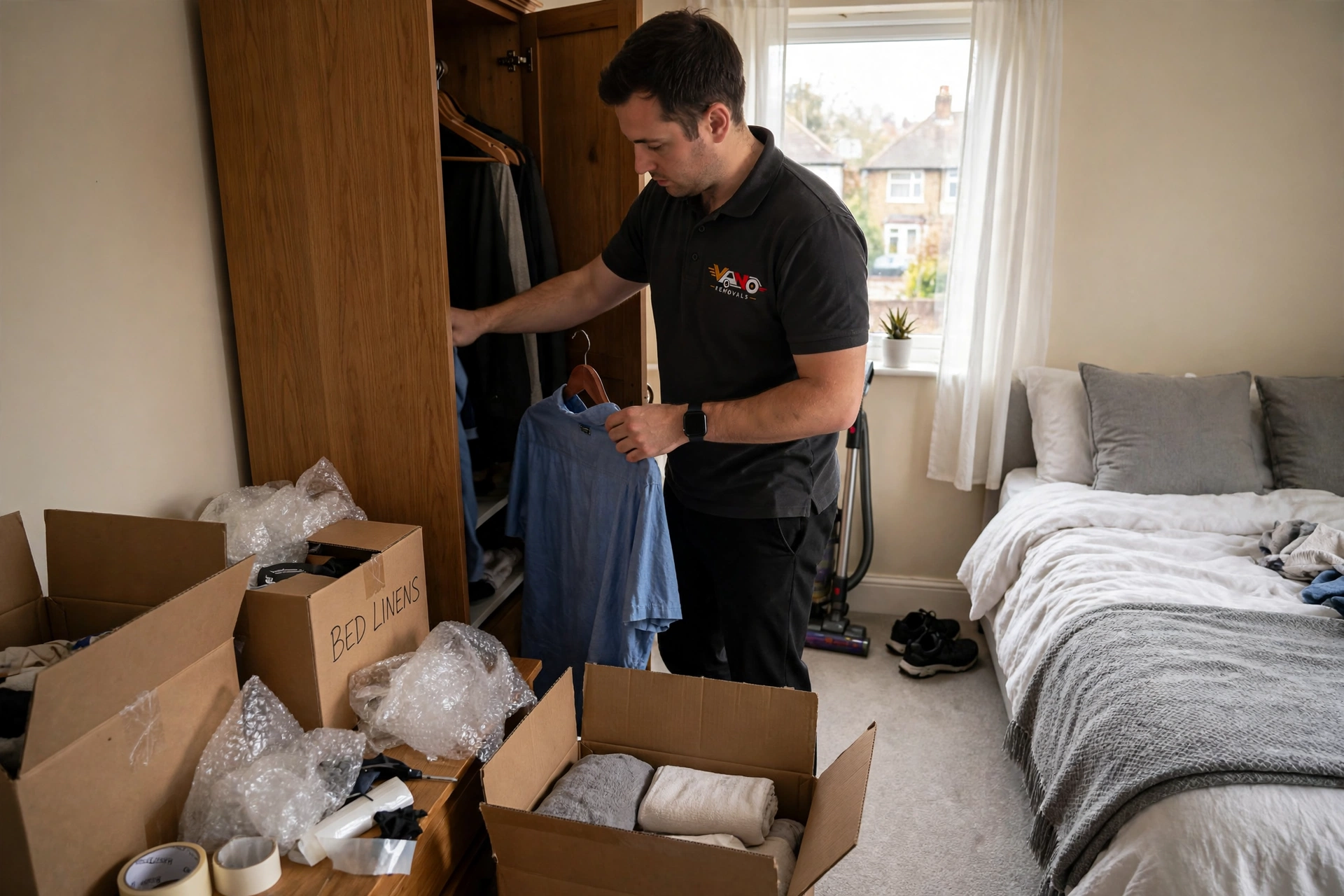
Barnet’s housing was built in layers, and each layer moves differently. The oldest centres, Chipping Barnet, East Finchley, parts of Hendon, hold Edwardian and Victorian terraces: bay fronts, narrow halls, stairs that turn, and streets that park on both sides. Between the wars the Northern line pushed the borough outward and Edgware, Mill Hill, Burnt Oak and North Finchley filled with 1930s semis, the borough’s backbone stock: proper driveways, garages, straightforward staircases and room to load. Golders Green and the Finchley Road corridor took the mansion blocks, large interwar flats in shared-entrance buildings. Totteridge, Arkley and the roads around Hadley Common hold the borough’s largest detached houses. The newest layer is vertical: the towers at Colindale, on the old aerodrome and Peel Centre land around Beaufort Park, and the Brent Cross Town development rising by the North Circular.
The moves follow the housing. Families upsizing out of Finchley and Golders Green flats into Mill Hill, Whetstone and North Finchley semis are the borough’s staple job, usually a short hop that stays inside the borough. Downsizers move the other way, out of Totteridge and Arkley family houses into flats and smaller houses nearer the centres. The Colindale and Brent Cross blocks churn with renters on one and two-year tenancies, so flat moves there run all year, and family moves across the borough bunch at the end of the school summer term, when chains complete before September. School access drives a share of Barnet demand (the borough holds well-known selective schools, Queen Elizabeth’s School and The Henrietta Barnett School among them), which is why late August is the hardest fortnight of the year to book here.