Vano Removals
About Us
Contact
Co-working space removals

Co-working Space Removals

Quick answer

Co-working space moves are quoted per job in writing. The price follows the count of desks, private offices and shared areas, member notice periods, and the access rules of what is usually a shared building. Send the room list and your reopening order, and the written quote confirms the sequence and the total before you book.

Co-working Space Removals supports workspace operators moving hot desks, private offices, and shared facilities when shared areas and member services need an orderly transition. Share the schedule, locations, and items involved so the move can be planned around real site conditions rather than assumptions.

START YOUR ENQUIRY

Tell us about your move

Enter the key details so we can review your moving enquiry.

We'll confirm the details before you book.

By submitting, you agree to our Privacy Policy and Terms.

Co-working Space Removals supports workspace operators moving hot desks, private offices, and shared facilities when shared areas and member services need an orderly transition. A successful move starts by defining what the service needs to achieve: which items must leave, where they are going, when each space is available, and what should be ready at the destination. This detail matters because the same label can describe very different jobs. A small, accessible collection is not the same as a multi-room relocation with strict site windows. Establishing the actual scope allows the team to discuss a proportionate plan and identify unanswered questions before a booking is confirmed.

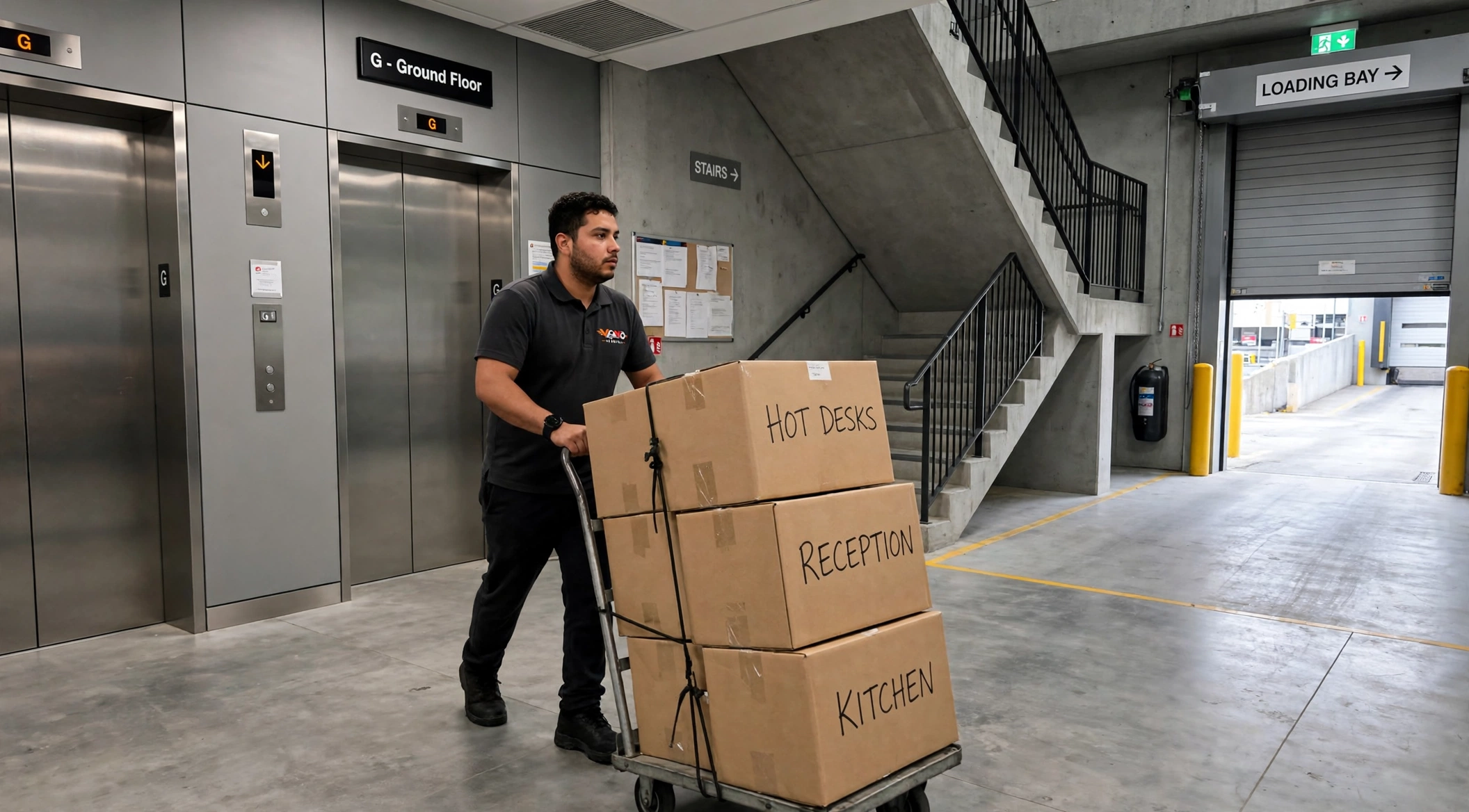
A co-working relocation may include unassigned desks, meeting rooms, phone booths, reception furniture, kitchen equipment, and member-owned belongings. The operator should separate common assets from tenant property and communicate what members must pack or remove themselves. The first conversation should cover both the physical work and the surrounding timetable. Note the people who control access, the hours when loading is permitted, and any work that must happen before or after transport. If a deadline depends on another supplier, landlord, building manager, or internal team, identify that dependency early. Which rooms reopen first, how member notices are issued, and whether move activity must avoid booked events or occupied areas A realistic sequence should leave room for checks at collection and delivery instead of relying on a perfect, uninterrupted day.

Access is a practical part of the service, not a footnote. Explain the vehicle approach, stopping point, carry distance, stairs, lifts, door widths, security checks, and any rules that apply to shared areas. Shared buildings can have strict lift bookings, security access, noise rules, and limits on storing goods in corridors. Confirm how access is authorised and who can make decisions about unlabelled or abandoned items. Where a detail is uncertain, flag it rather than treating it as resolved. This makes it easier to discuss an alternative loading point, a revised time, a smaller staged collection, or a site visit if one is appropriate.

The written scope should make responsibilities easy to understand. List what the customer prepares, what the moving crew handles, how items are identified, and who authorises changes. Separate standard moving work from packing, installation, disposal, storage, or specialist services that may need other providers. Publish a member move notice, label shared assets by room, and agree a process for personal belongings and unclaimed items Before departure, confirm the destination contact and the method for checking that the agreed goods have arrived.


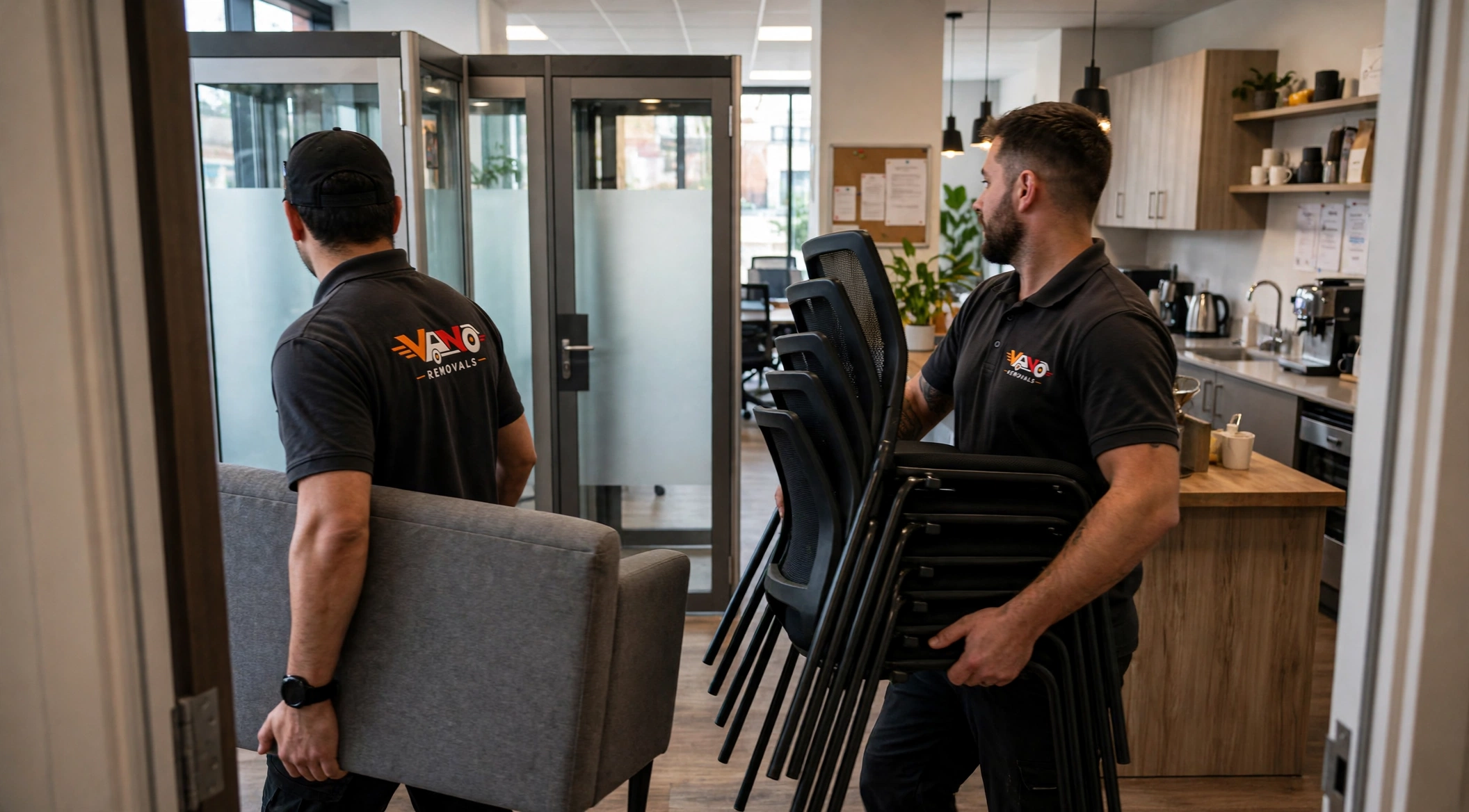
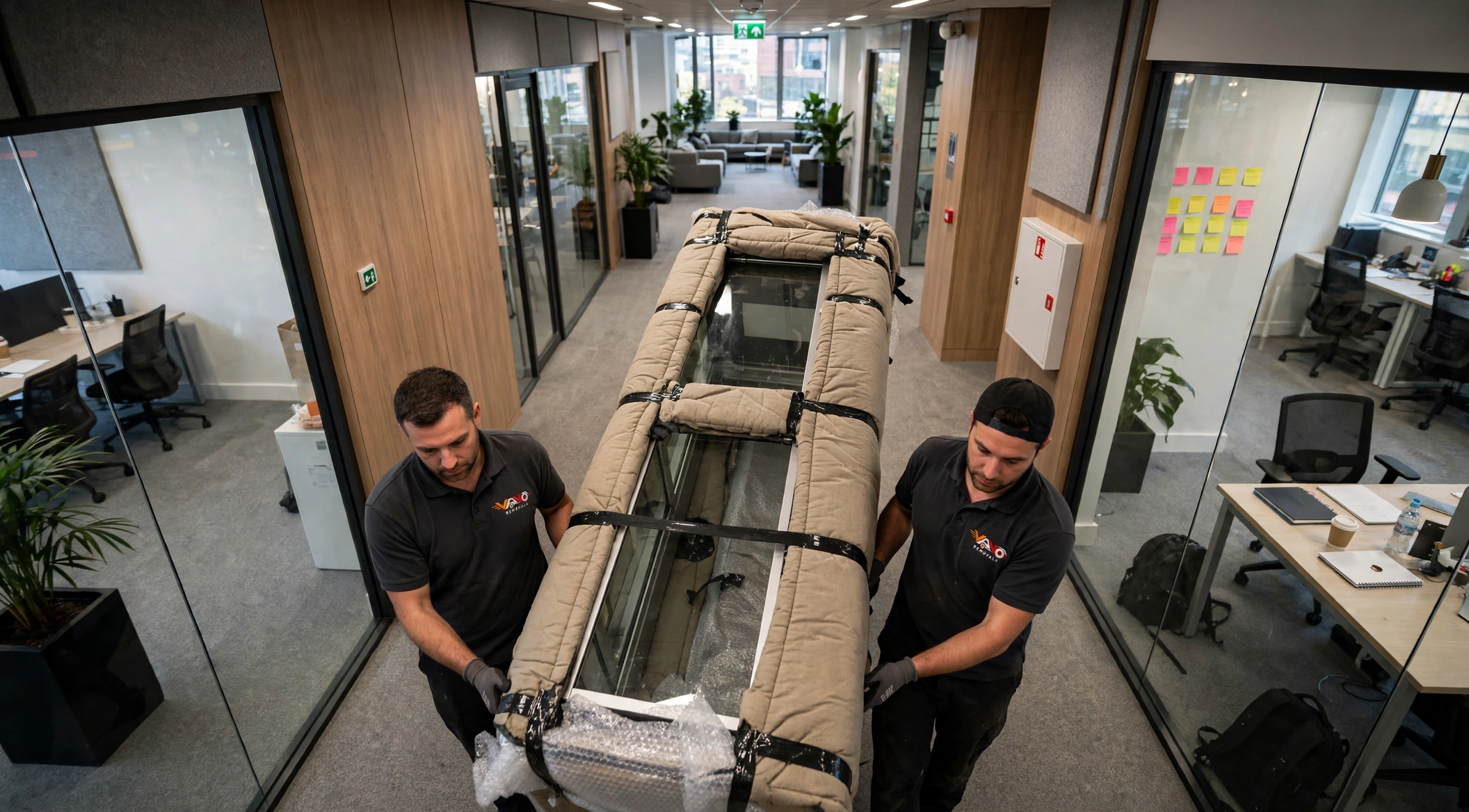
Co-working Space Removals: preparation and access planning
Co-working Space Removals: service overview and planning

Planning

Clear route review

Timing

Flexible booking

Coverage

London & nearby areas

About this Co-working Space Removals service

For co-working space removals, inventory quality has a direct effect on vehicle choice, labour, and timing. Prepare a room-by-room or zone-by-zone list and flag items that are unusually heavy, fragile, confidential, awkward to dismantle, or unsuitable for ordinary transport. Group items by destination where several rooms or departments are involved. If quantities may change, agree how an updated inventory affects the quote and schedule. Clear information is more useful than an artificially precise estimate based on incomplete details.

A useful operating plan maps the move from the first access point to the final placement. Confirm who opens each space, where the vehicle can stop legally, how goods travel through the building, and which routes must stay available to other occupants. Which rooms reopen first, how member notices are issued, and whether move activity must avoid booked events or occupied areas If work must be phased, mark the order and identify what cannot be moved until a particular area is ready. A named coordinator can resolve routine questions without delaying the rest of the team.

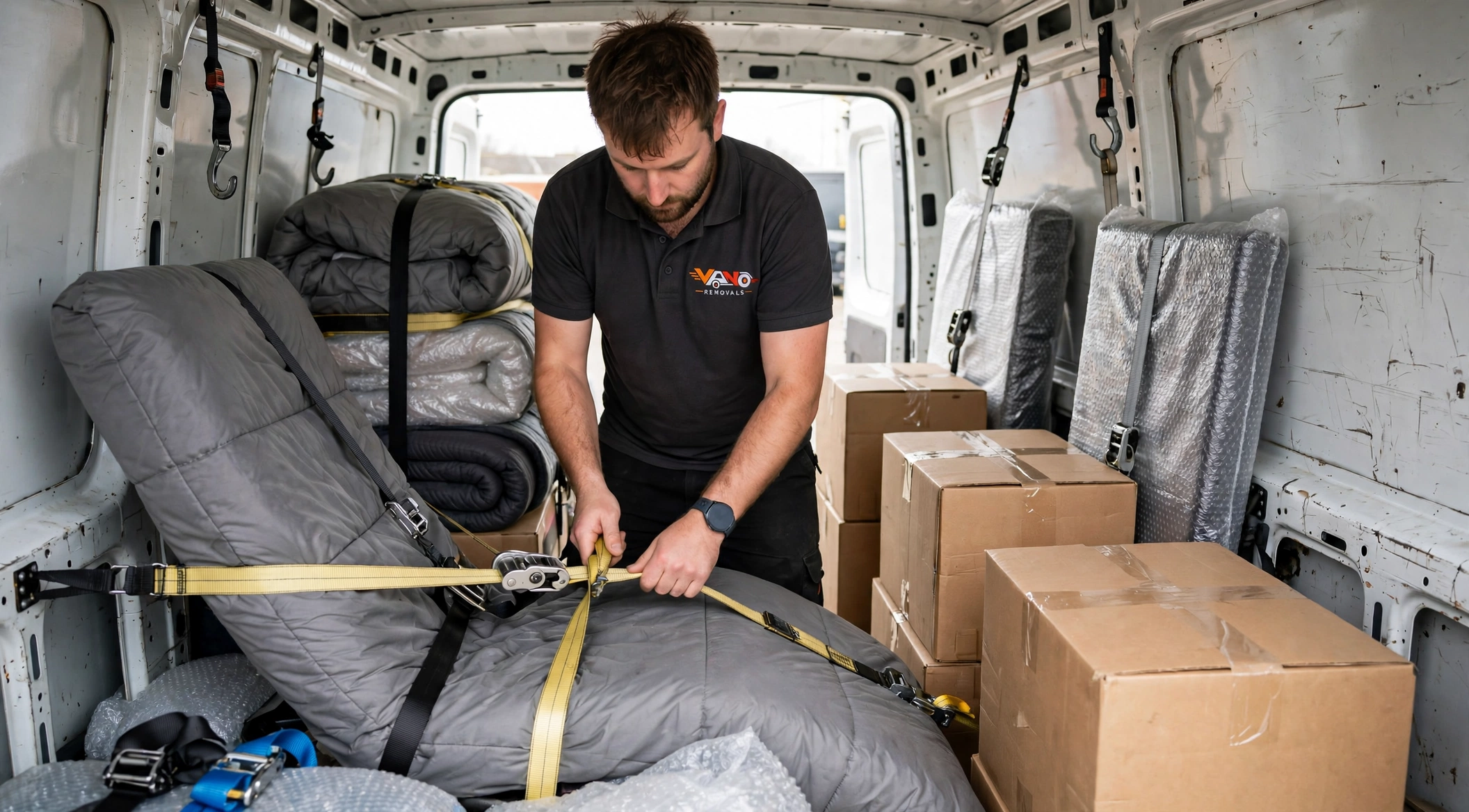
Protection should match the item and its route. Agree who supplies suitable wrapping, cartons, straps, covers, or other protection, and whether items need to be emptied or dismantled before collection. Photographing the condition of selected high-value goods may help the customer keep a useful record. Do not pack documents, keys, medicines, or other essentials into a general load if they need to remain accessible.

The day itself should begin with a short scope check. Compare the visible load with the agreed list, review access, and identify any changed conditions before lifting starts. Keep the loading order consistent with the receiving plan, while allowing the crew to adjust for safe handling. If an item cannot be moved as described, pause and agree the next step instead of improvising a risky lift or leaving an unclear exception.

At delivery, the receiving contact should guide placement and check the agreed inventory. Note any missing, damaged, or deferred items while details are fresh and follow the supplier's documented reporting process. The operator should check common areas, room layouts, shared equipment, and any member items held separately before reopening the workspace. If the premises need to reopen or be handed back quickly, reserve enough time for a final walk-through, removal of moving materials, and a clear transfer of keys or access devices.

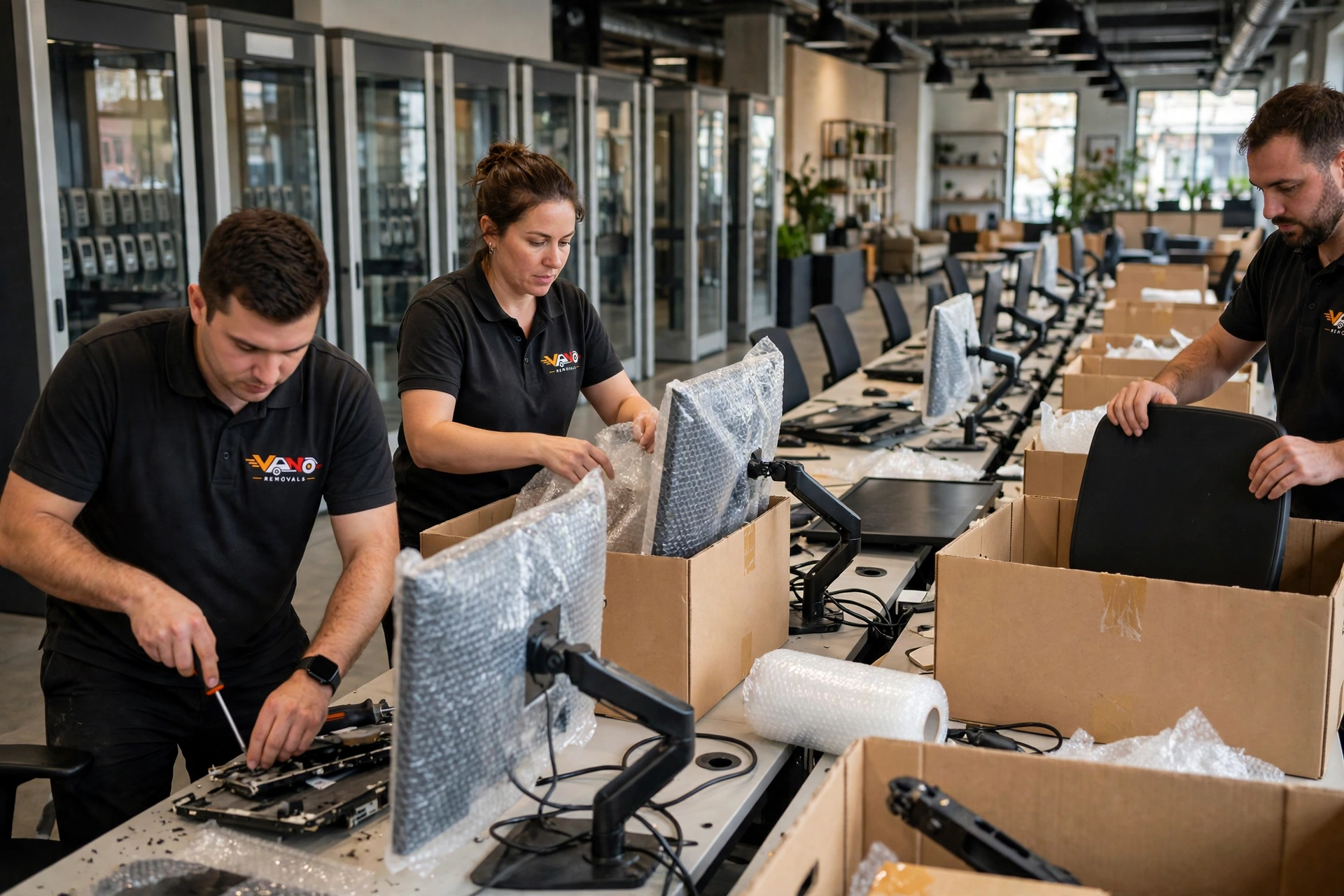
Co-working Space Removals: service in progress

What this service includes

Planning based on the actual co-working space removals inventory and access

Agreed collection and delivery sequence for the items in scope

Vehicle and crew requirements reviewed against route and site conditions

Clear handling responsibilities for fragile, specialist, or high-value items

Timing and building access checked before the move is confirmed

Written scope that distinguishes included tasks from optional extras

Co-working Space Removals customer service

Who it is for

Why customers choose this option

  • workspace operators moving hot desks, private offices, and shared facilities with a fixed handover, opening, or relocation deadline
  • Property or operations teams coordinating multiple people and access points
  • Customers who need a defined inventory, loading order, and delivery plan
  • Organisations considering staged transport or a separate storage leg

Key facts

Price
Quoted per job in writing after an inventory and access review; no figure is confirmed until you hold the written quote
Service area
London and the service areas we cover; confirm your route when requesting a quote
Typical duration
Confirmed after the inventory, access, and operational window are reviewed
Vehicle
Selected for the documented inventory and route restrictions
Crew
Crew allocation is arranged based on the confirmed access, volume, and route
Insurance
Insurance is as stated in your written quote: ask us to confirm in writing.
Co-working Space Removals service planning

Need help before booking?

If you need support with access, parking, stairs, a moving date, or packing, we can talk through the practical details before you commit to a booking.

Co-working Space Removals: related services that may help
Co-working Space Removals moving process

How it works

01

Scope the move

Confirm the locations, inventory, access, timing, and the practical outcome required for co-working space removals.

02

Agree the plan

Review which rooms reopen first, how member notices are issued, and whether move activity must avoid booked events or occupied areas and confirm what the customer, site contact, and moving team each need to prepare.

03

Load and transport

Work through the agreed handling sequence, protect items appropriately, and communicate if site conditions differ from the brief.

04

Check and hand over

The operator should check common areas, room layouts, shared equipment, and any member items held separately before reopening the workspace. Record any agreed follow-up before the crew leaves the destination.

Co-working Space Removals: typical move timeline

Typical move timeline

Initial scope
To be agreed

Review locations, inventory, access, deadlines, and service responsibilities.

Site preparation
Before move day

Publish a member move notice, label shared assets by room, and agree a process for personal belongings and unclaimed items and confirm the site contacts and access window.

Collection and transport
Depends on scope

Load in the agreed sequence, travel by a suitable route, and update the nominated contact.

Delivery and sign-off
At destination

The operator should check common areas, room layouts, shared equipment, and any member items held separately before reopening the workspace. Confirm any deferred or separately arranged work.

Co-working Space Removals: vehicle and crew allocation

Vehicle and crew

What is usually allocated

Van size

Selected after inventory and access review

Crew size

Crew allocation is arranged based on the move size and access requirements

Vehicle and crew selection depends on the confirmed load, route, access, and handling requirements for co-working space removals. Specialist machinery, installation, and regulated transport must be agreed separately where applicable.

Co-working Space Removals service expectations

What to expect from the service

Included as standard

  • Pre-move review of the agreed inventory, route, access, and timing
  • Loading, transport, and unloading of the items listed in the confirmed scope
  • Basic handling protection appropriate to ordinary moving work
  • Communication with the nominated contact about material changes or delays

Usually quoted separately

  • Packing, installation, reconnection, or specialist lifting unless confirmed in writing
  • Waste disposal: we are a removals service, not a licensed waste carrier, so disposal is arranged by you through your council bulky collection service or a registered carrier you appoint
  • Permits, building charges, storage fees, and third-party services unless itemised
  • Work on goods or areas that were not disclosed or included in the agreed inventory
  • Any insurance not stated in your written quote

Pricing factors

  • Inventory size, number of collection points, and total handling time
  • Route distance, traffic window, legal stopping position, and loading distance
  • Stairs, lift bookings, restricted hours, security procedures, and site induction
  • Packing, dismantling, specialist equipment, storage, or additional delivery stages
  • Any waiting, out-of-hours, access, or third-party charges agreed in advance
Co-working Space Removals pricing factors

Preparation checklist

  • Confirm the decision-maker and site contacts for co-working space removals
  • Provide an accurate inventory, photographs where useful, and item priorities
  • Publish a member move notice, label shared assets by room, and agree a process for personal belongings and unclaimed items
  • Keep essential documents, keys, access cards, and high-value items under named control
  • Confirm the destination layout, delivery order, and who signs off the handover
Co-working Space Removals: factors that can change the cost

What can change the cost

Inventory and volumehigh

The quantity, weight, fragility, and distribution of goods affect vehicle capacity and labour.

Access and site ruleshigh

Security checks, lifts, loading windows, carry distance, and restricted hours can alter the work sequence.

Timing requirementsmedium

Fixed deadlines or out-of-hours work may require additional coordination and availability.

Additional servicesmedium

Packing, dismantling, storage, installation, or disposal should be itemised separately.

Common planning mistakes

Using an incomplete inventory

Better approach: List goods by room or zone and flag awkward, fragile, heavy, or high-priority items.

Assuming all site work is included

Better approach: Confirm packing, installation, storage, disposal, and third-party tasks separately in writing.

Leaving access checks until move day

Better approach: Confirm parking, lift access, security, permitted hours, and named contacts in advance.

Failing to plan the receiving end

Better approach: Prepare the destination route and identify who directs placement and signs off delivery.

Co-working Space Removals common mistakes
Co-working Space Removals damage prevention

Damage prevention checklist

Flag fragile or unusually heavy items before the team arrives and agree their handling.

Keep escape routes, corridors, and shared access areas clear during loading.

Use suitable protection and secure goods for transport according to their shape and material.

Keep keys, confidential records, valuables, and personal essentials under named control.

Co-working Space Removals coverage

Coverage and nearby areas

Co-working Space Removals supports workspace operators moving hot desks, private offices, and shared facilities when shared areas and member services need an orderly transition. The service is scoped around the inventory, access, timing, and handling requirements confirmed for each move.

London considerations

Parking and loading

Check legal stopping locations, permits, loading bays, and likely carry distance at each address before confirming timing.

Building access

Ask building management about lift reservations, security, service entrances, protection requirements, and permitted working hours.

Traffic and route

Allow for local traffic, restricted roads, clean-air rules, and the size or height limits of the proposed vehicle.

Co-working Space Removals local considerations
Co-working Space Removals FAQ

Frequently asked questions

How much does a co-working space move cost?

1

It is quoted per job in writing. The figure follows the number of workstations, meeting rooms and shared facilities, how the move is phased around members, and the lift and loading rules at both buildings.

What happens to belongings members leave in the space?

2

Member belongings are yours to govern. We move the operator's own furniture and equipment, and member items travel only where your notice and labelling process has assigned them. Agree a deadline and a process for unclaimed items with members before the move, and we work to the labels that result.

Can part of the space stay open during the move?

3

Yes, the move can be phased room by room so booked areas stay usable. The sequence is planned around your events diary and occupied offices, and the order is fixed in the written quote.

Who books the lifts and loading access in a shared building?

4

You arrange them with building management as the occupier. Tell us the confirmed windows, security process and any corridor or noise rules, and the move is planned inside them.

Can the move happen outside normal hours?

5

Evening and weekend work can be discussed, but shared buildings often restrict it. Permitted hours, security access and any additional building charges are confirmed before the slot is booked.

How is insurance arranged for a co-working move?

6

Insurance is as stated in your written quote: ask us to confirm in writing.

Content updated October 2026

About the author

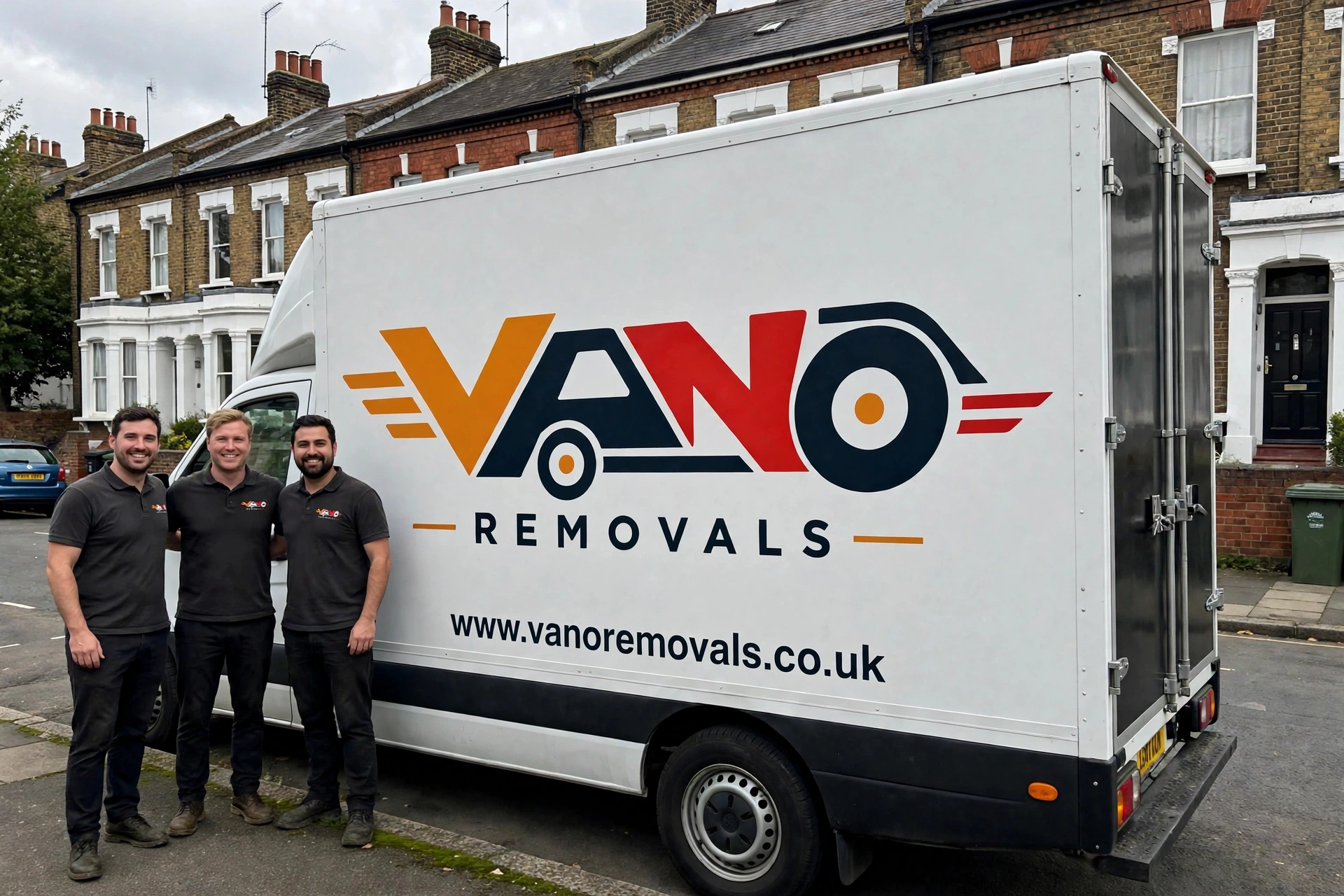
Ahmer Faiz, founder of Vano Removals

Ahmer Faiz, Founder, Vano Removals

Ahmer runs the small London crew that carries out every Vano move, sets the published hourly rates on this website, and replies to every Google review personally. Every guide on this site is written from the moves the team actually does, and checked against the council and TfL pages it quotes.

Reviewed by Ahmer Faiz on 5 November 2026 · Next review: 5 May 2027 · More about Vano Removals

A clearer move starts with a clear scope

  • Describe the inventory, route and access at both addresses
  • Identify bulky, fragile or unusually valuable items in advance
  • Agree any packing, storage or specialist work before booking
  • Confirm the moving date and site restrictions before arrangements are final
  • Ask how waiting time or a change in scope affects the quote

Confirm the agreed service, timing, price and any exclusions in writing before booking.

Moving house checklist for London
Tailored moving support

Ready for a Simpler Move?

Request a written quote and let us take the stress out of your move.

Response times vary
Mon-Fri 7am-8pm, Sat 8am-6pm, Sun 9am-4pm
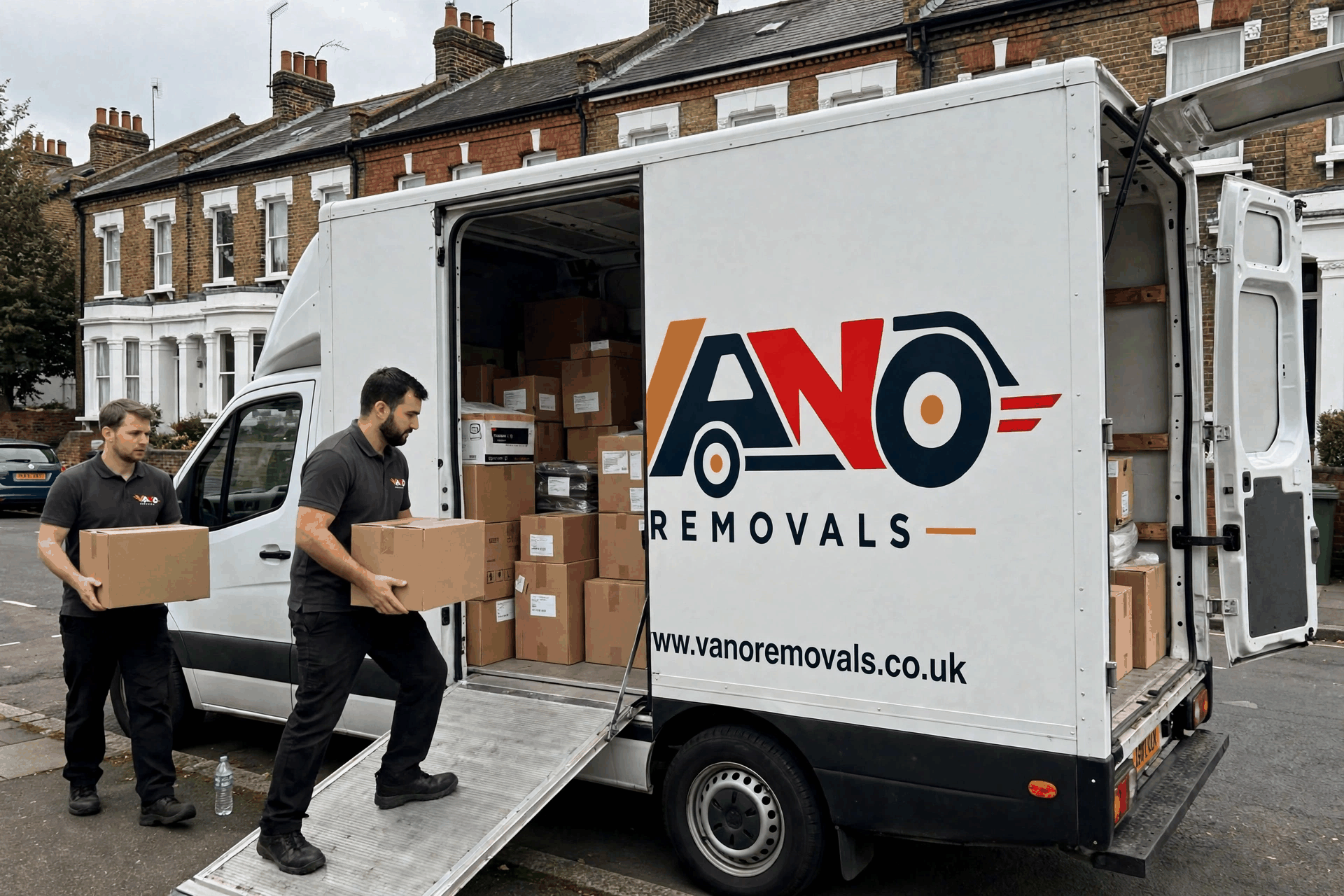
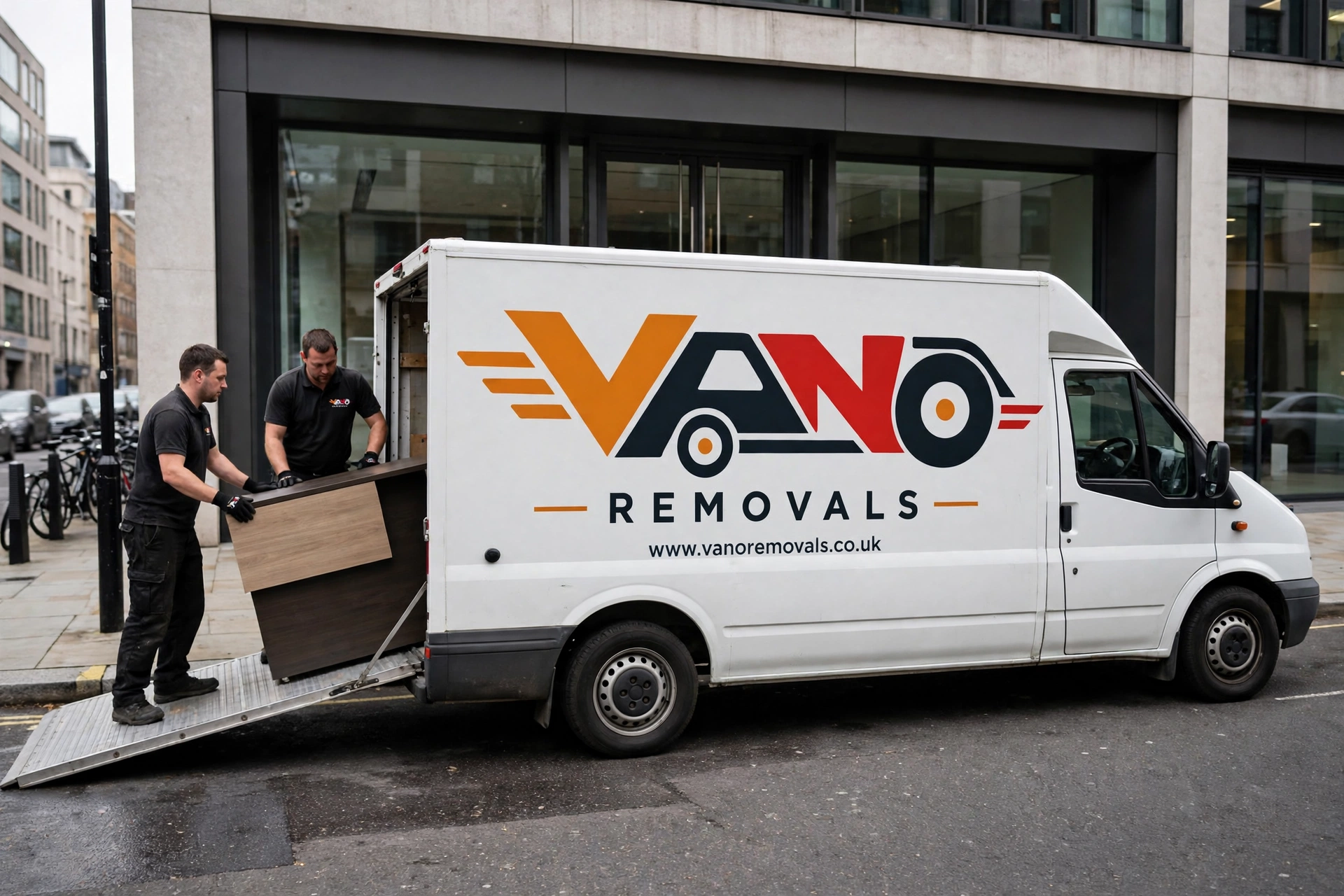
Movers loading belongings into a removals van in London

Customer Reviews

What our customers say

Real, unedited reviews from customers we’ve moved across London.

5.0Excellent
Google reviews

“Best house removal company around. The team at Vano Removals was punctual, hard-working, and handled our furniture with great care. If you need reliable, stress-free local movers or packing services, I highly recommend them.”

Muhammad Saad

Google review · October 2026

Review 1 of 7: Muhammad Saad
Read all reviews on Google

These are unedited reviews from our Google Business Profile. Moved with us recently? Your honest review helps other Londoners choose with confidence.