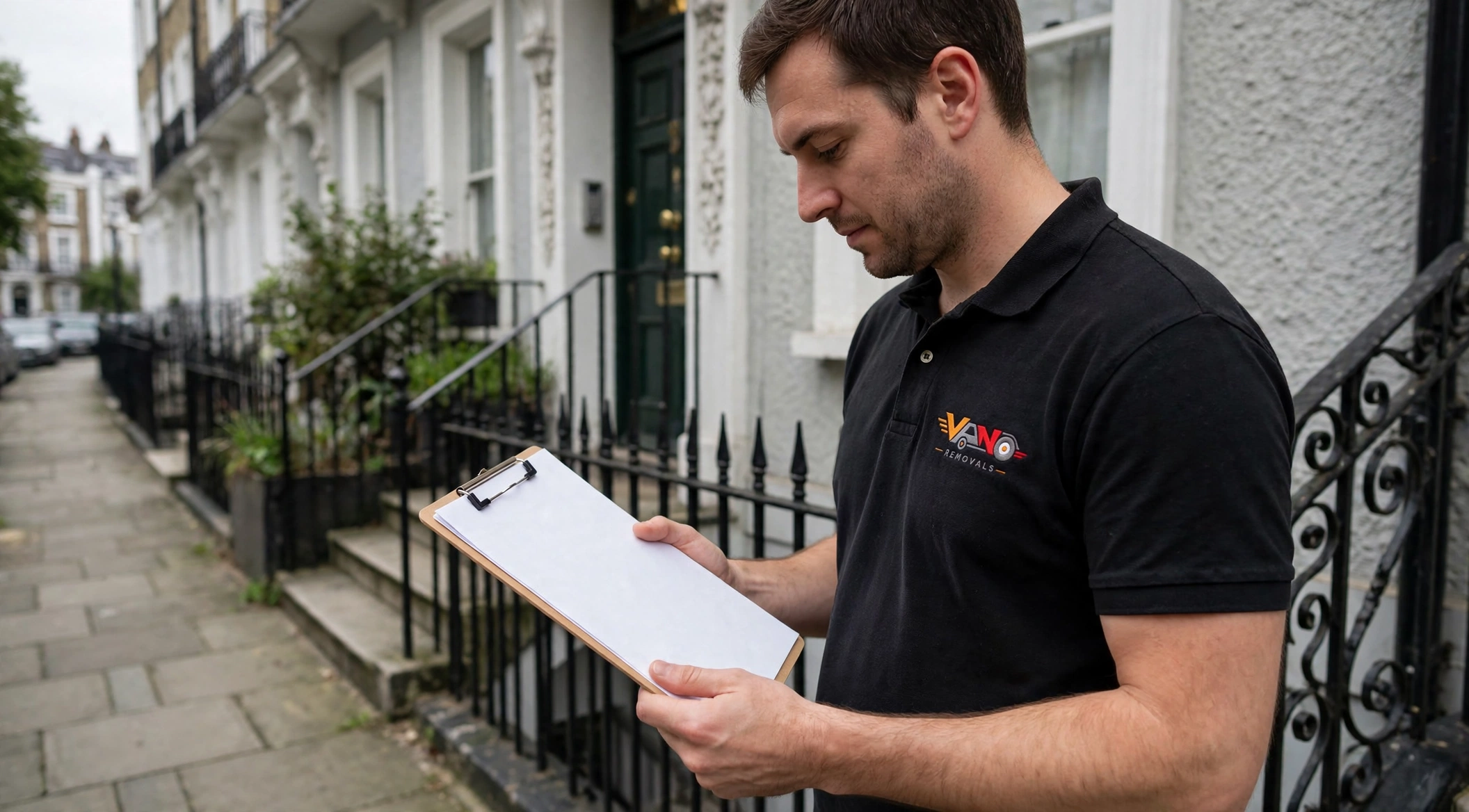
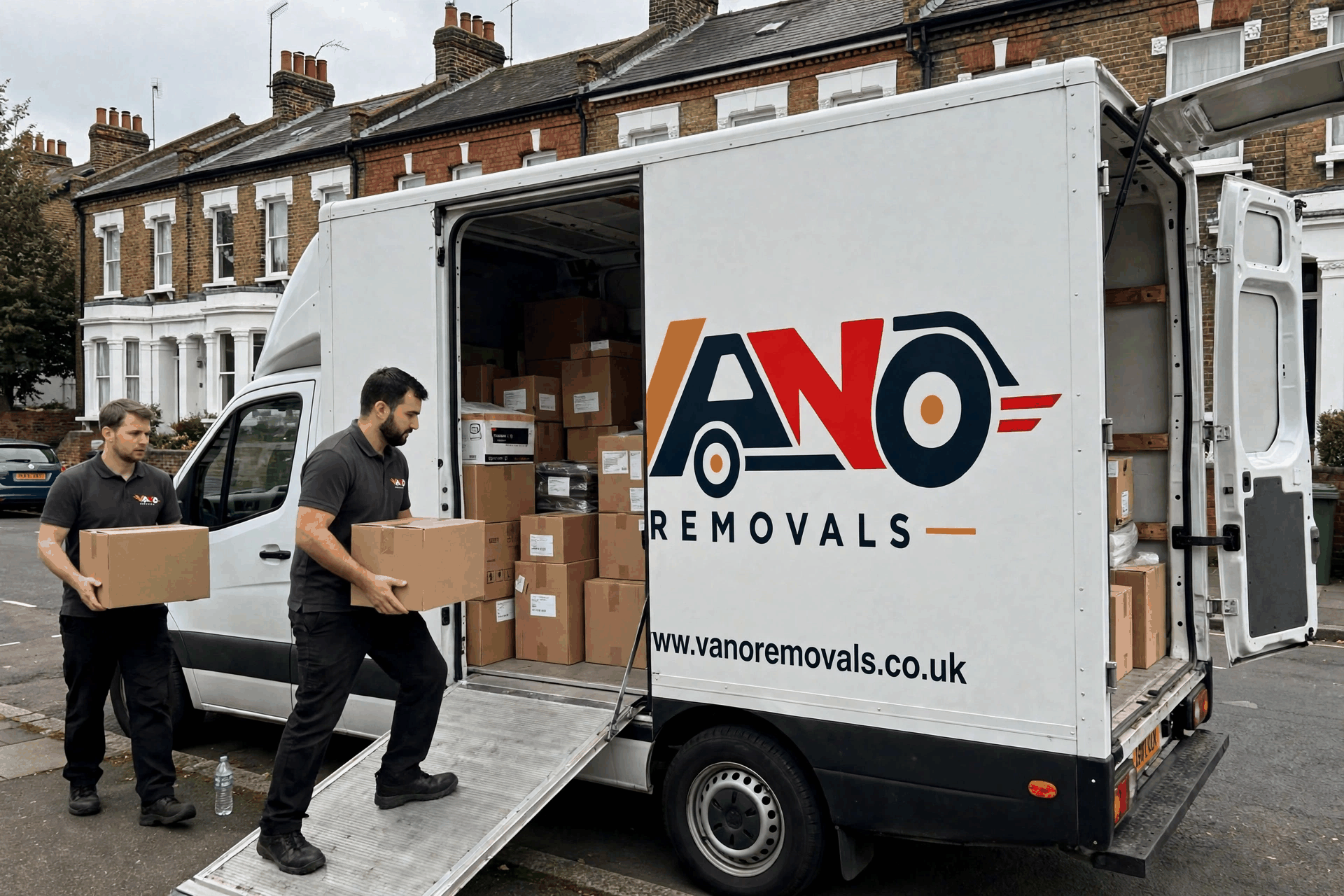
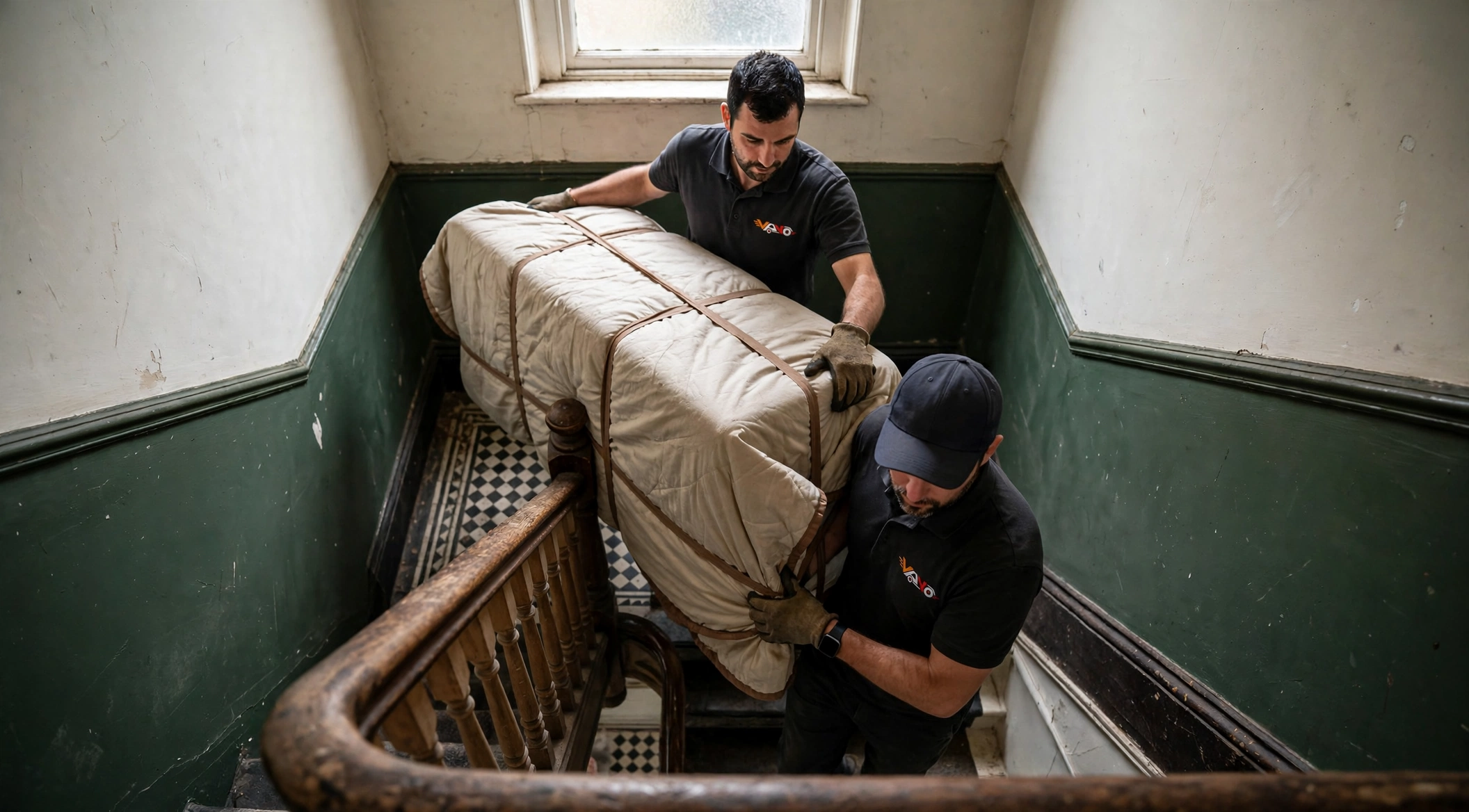
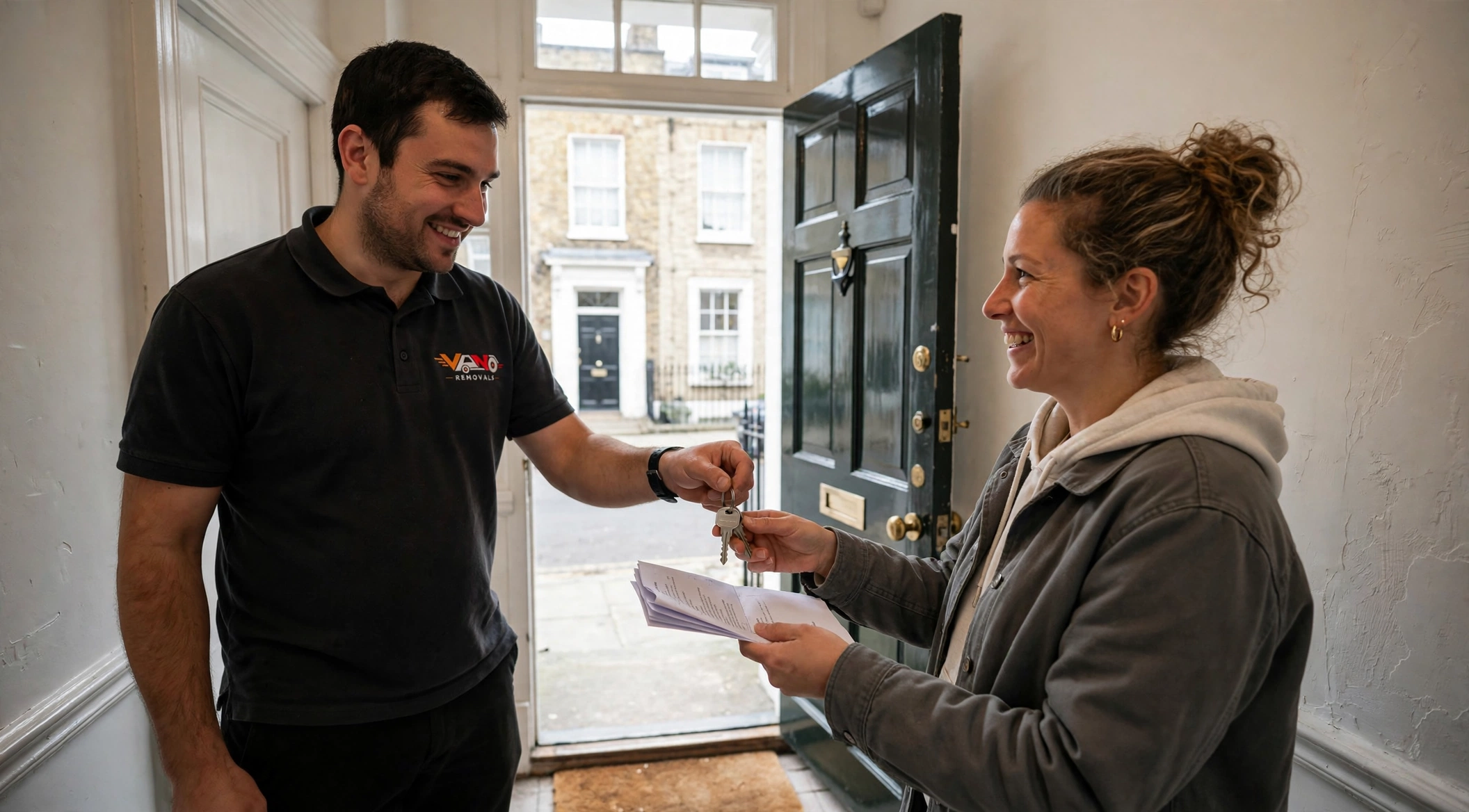
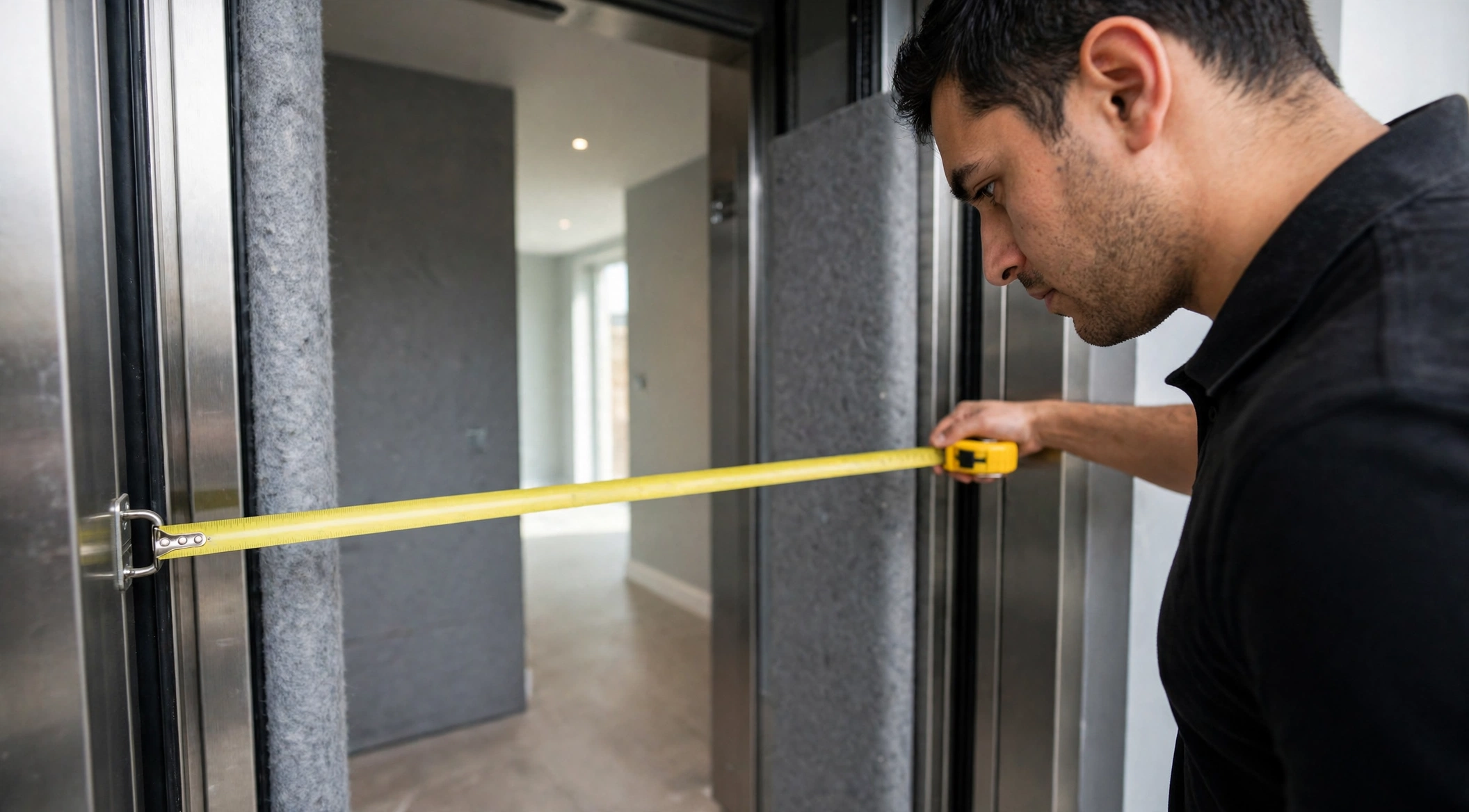
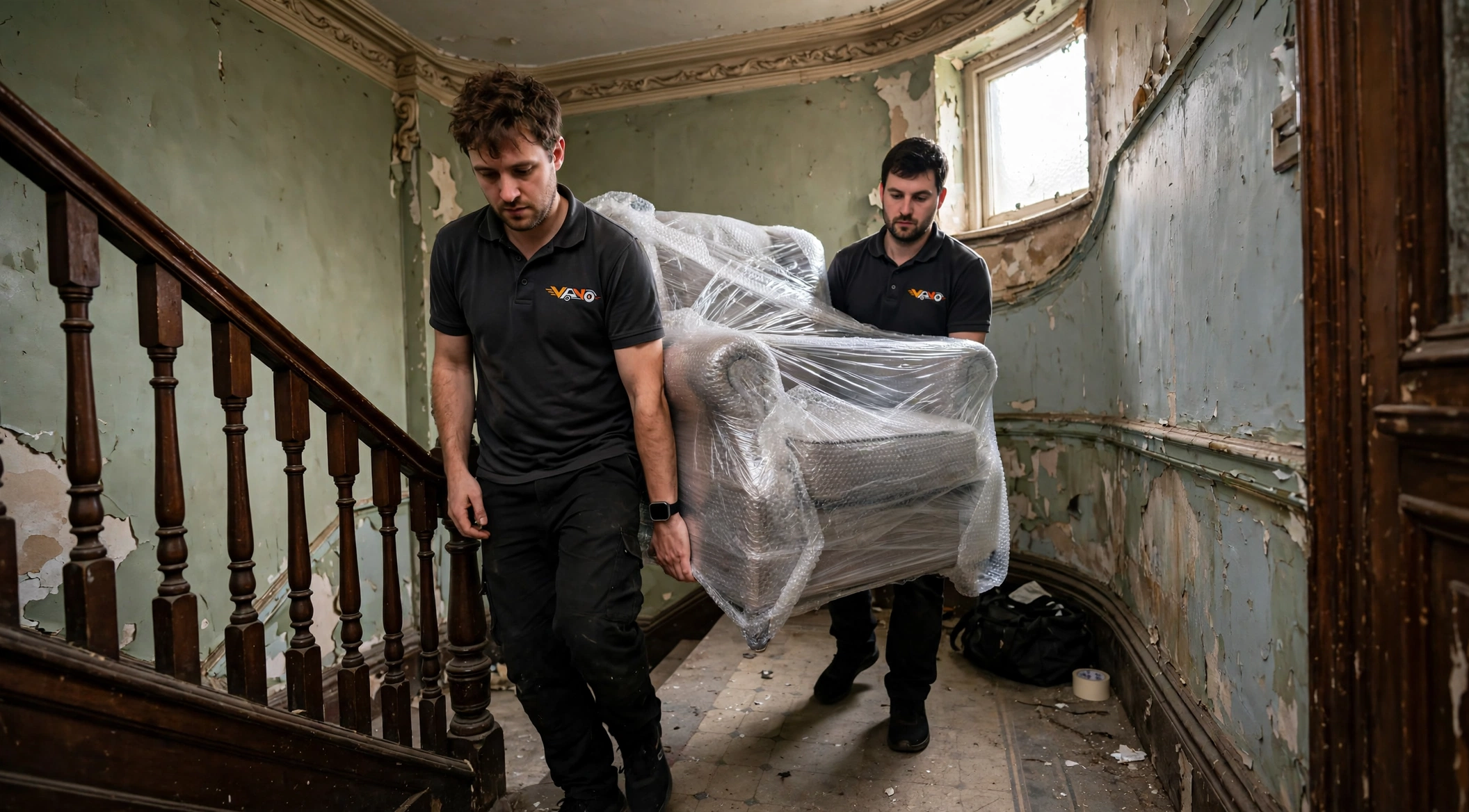
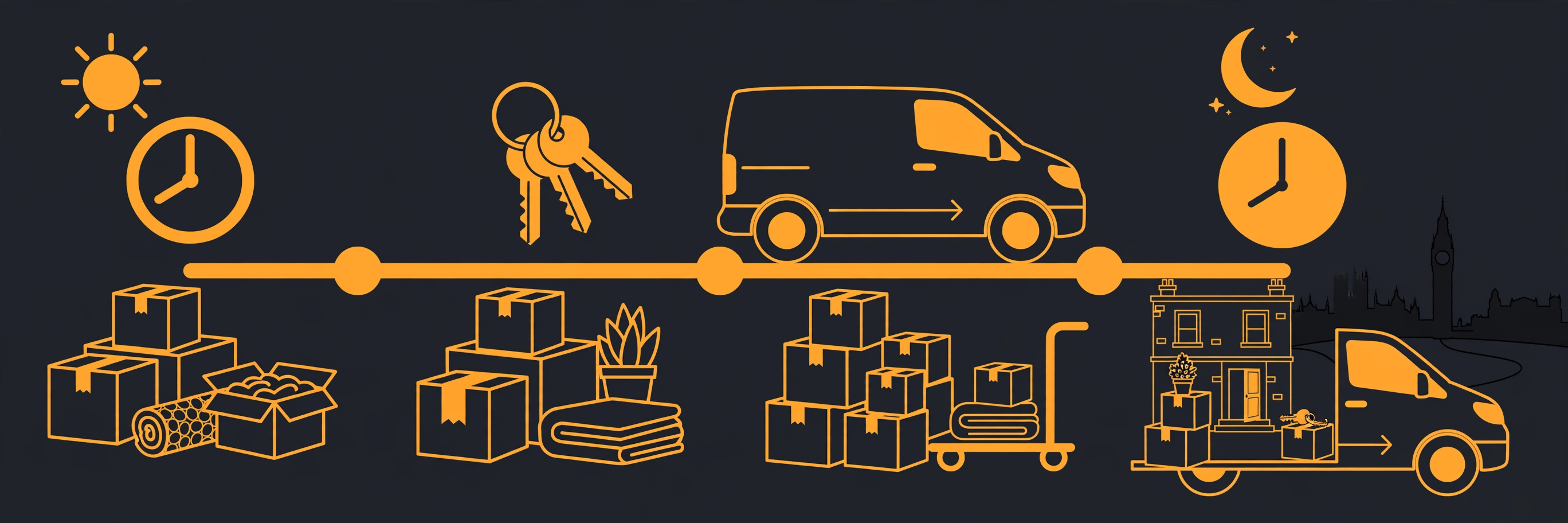
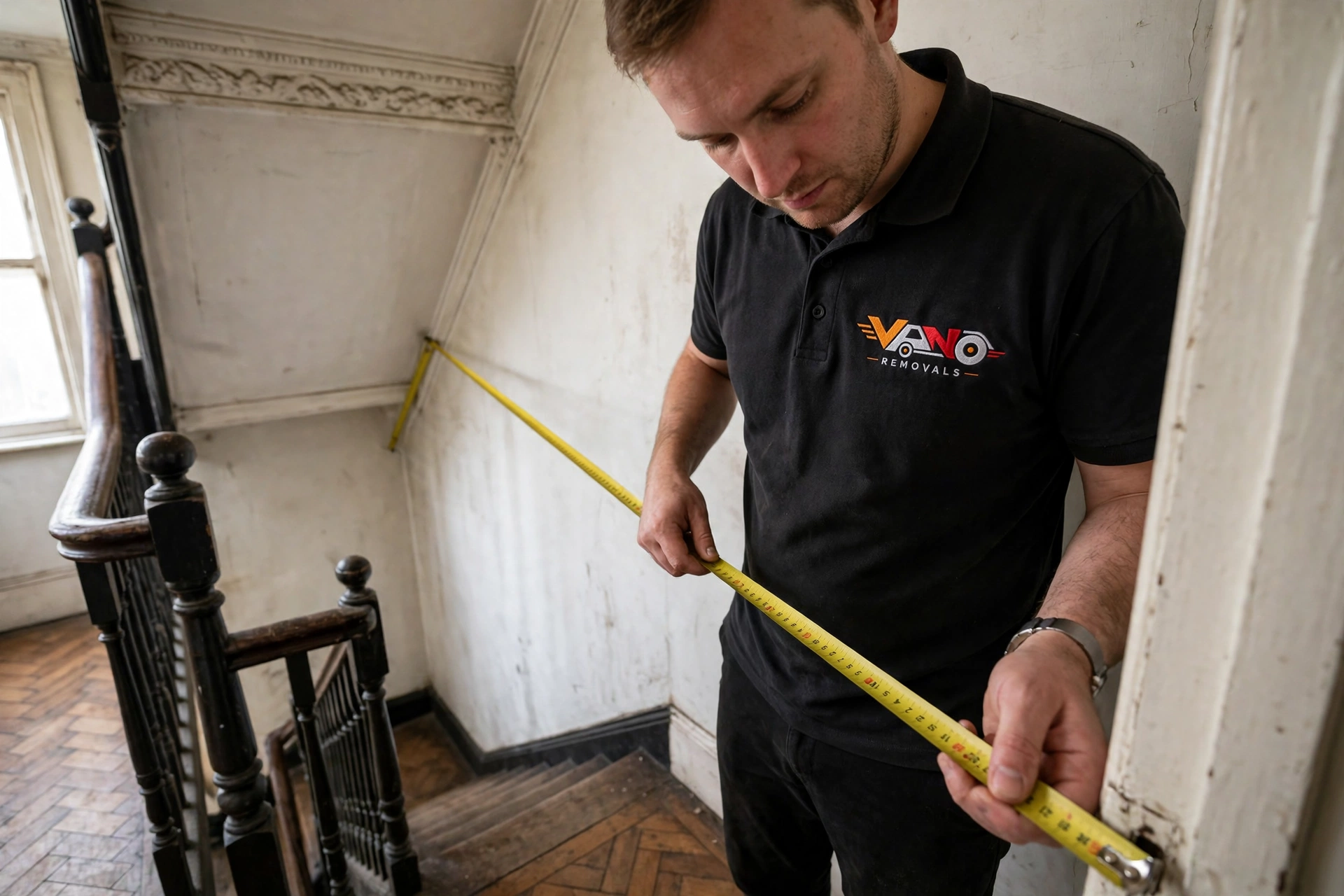
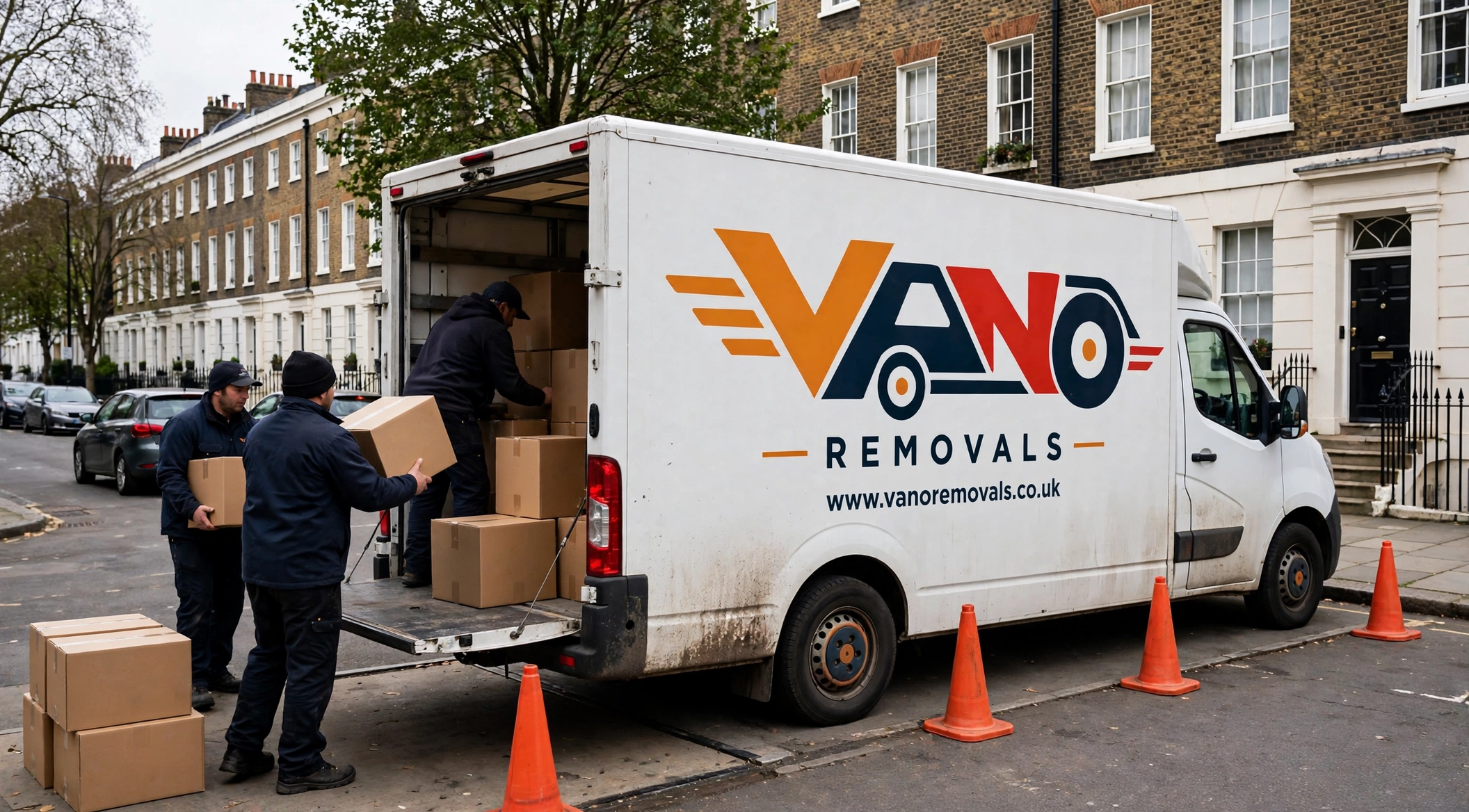
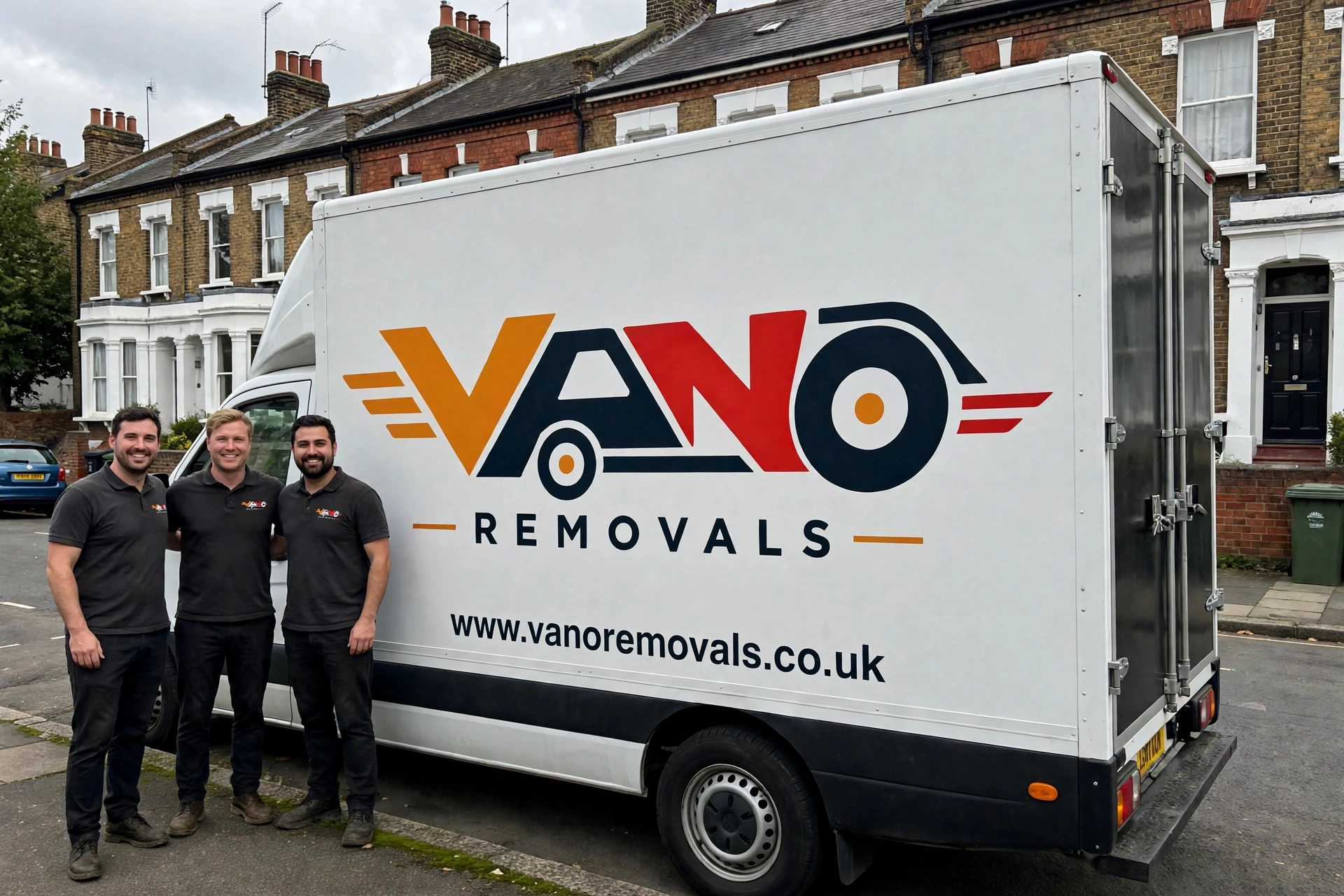
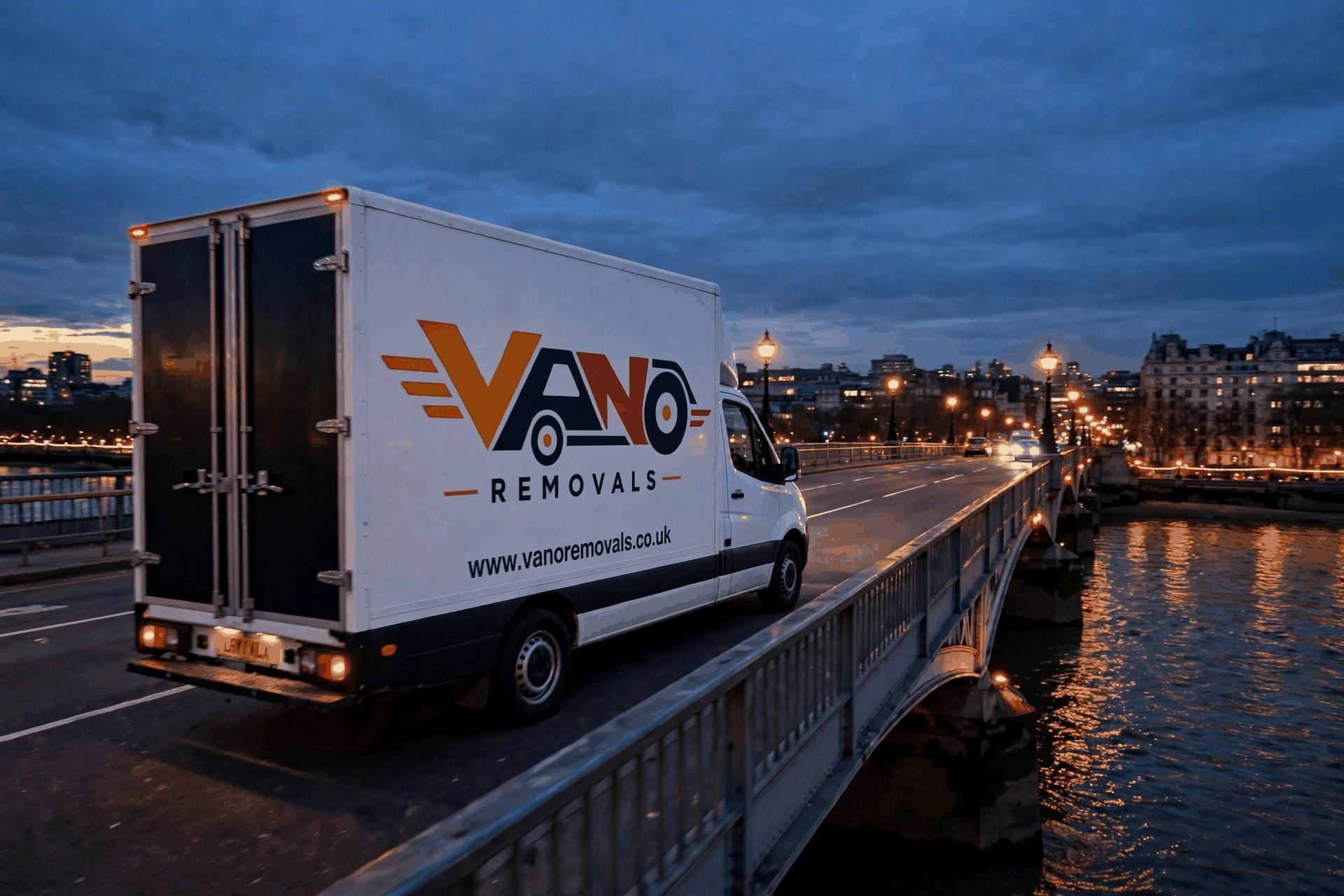
On the day, the crew walks the route out before anything is lifted: door widths, stair turns, lift size, and the distance from the entrance to the van. Shared areas are treated carefully, the largest pieces are timed to the lift booking where there is one, and boxes move in a steady sequence so hallways stay passable for neighbours. At the destination the same order applies in reverse, with priority furniture placed first. If the carry is by stairs, floors, turns and dismantling are already in the plan, no surprises halfway up the building.
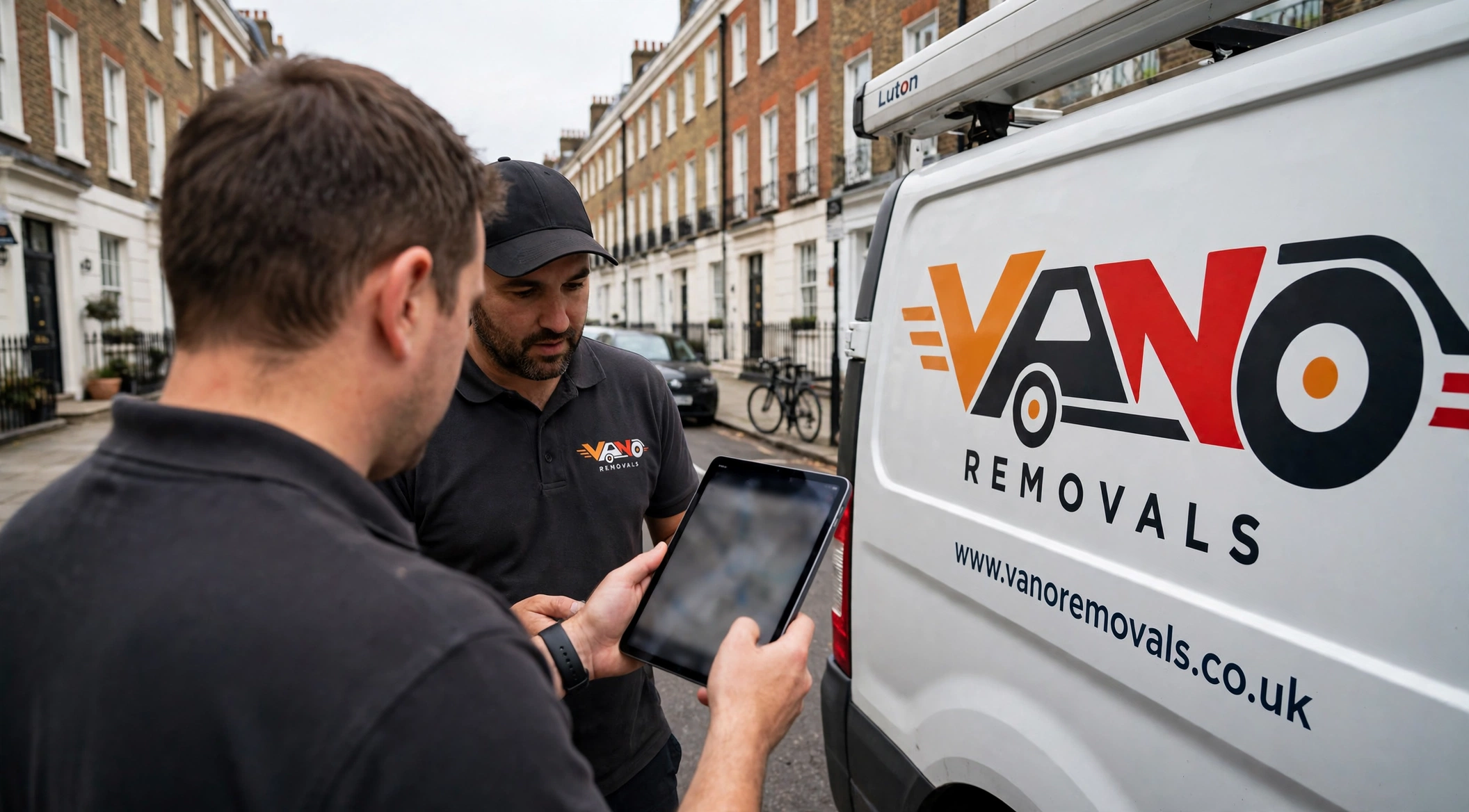
The first stage is a useful review of the flat removals requirement. We ask about the property or site, rooms and storage areas, furniture or goods, floor levels, lift access, parking, and the date. For Islington, it is important to mention whether the address is a georgian terraces in Barnsbury and Canonbury, Victorian conversions around Highbury, and new-builds near Angel and the King’s Cross border property, whether items need to be packed or separated, and whether a concierge, building manager, agent, or contractor controls access.
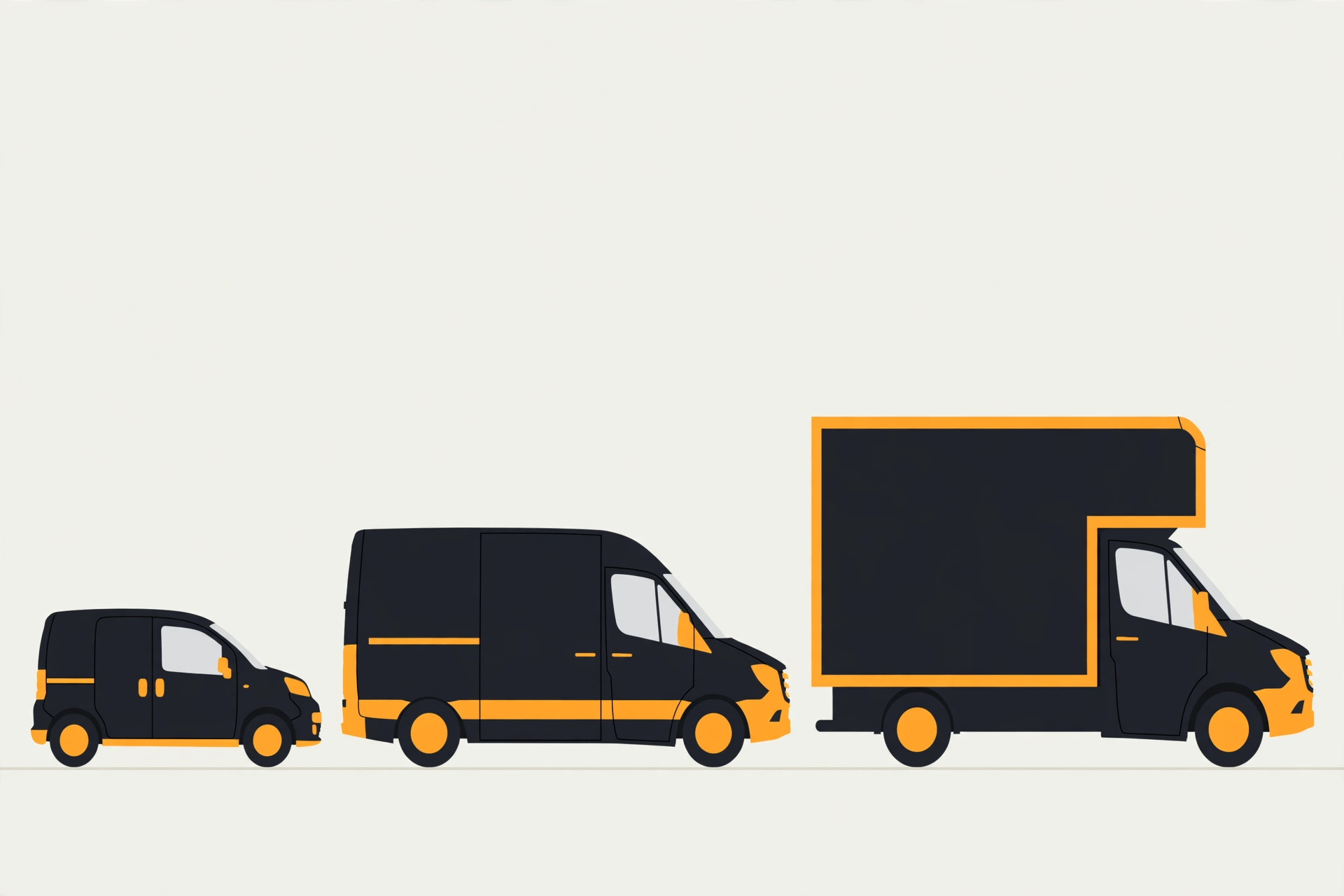
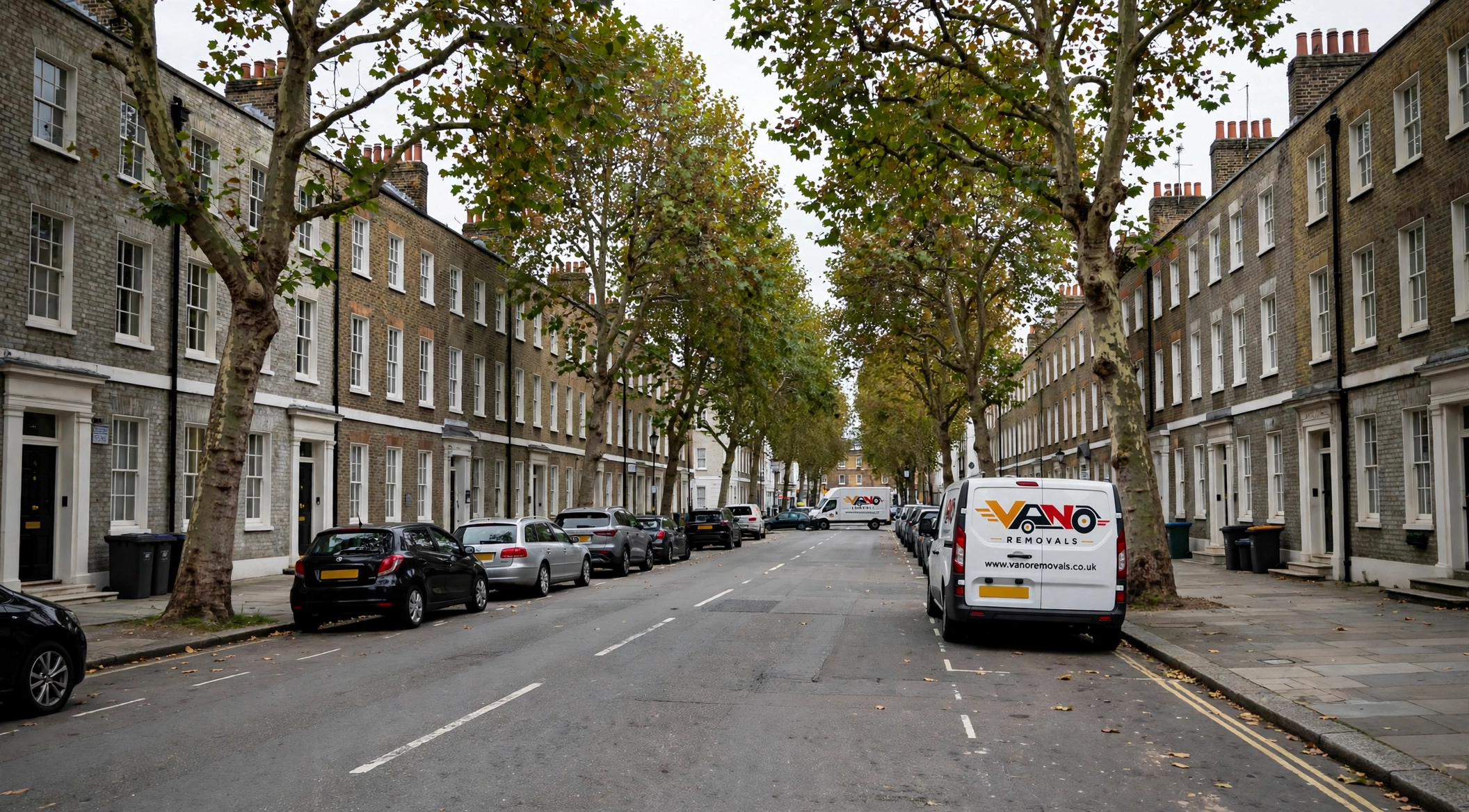
The route needs to be understood at both ends. Upper Street, Holloway Road, and City Road can change the loading plan, while local CPZ rules affect permits and suspensions. Many properties have no off-street parking and Georgian conversions often have tight stairwells. If the route includes central London, check current congestion and ULEZ requirements for the chosen vehicle and date. These factors do not necessarily prevent the work, but they should be part of the plan.
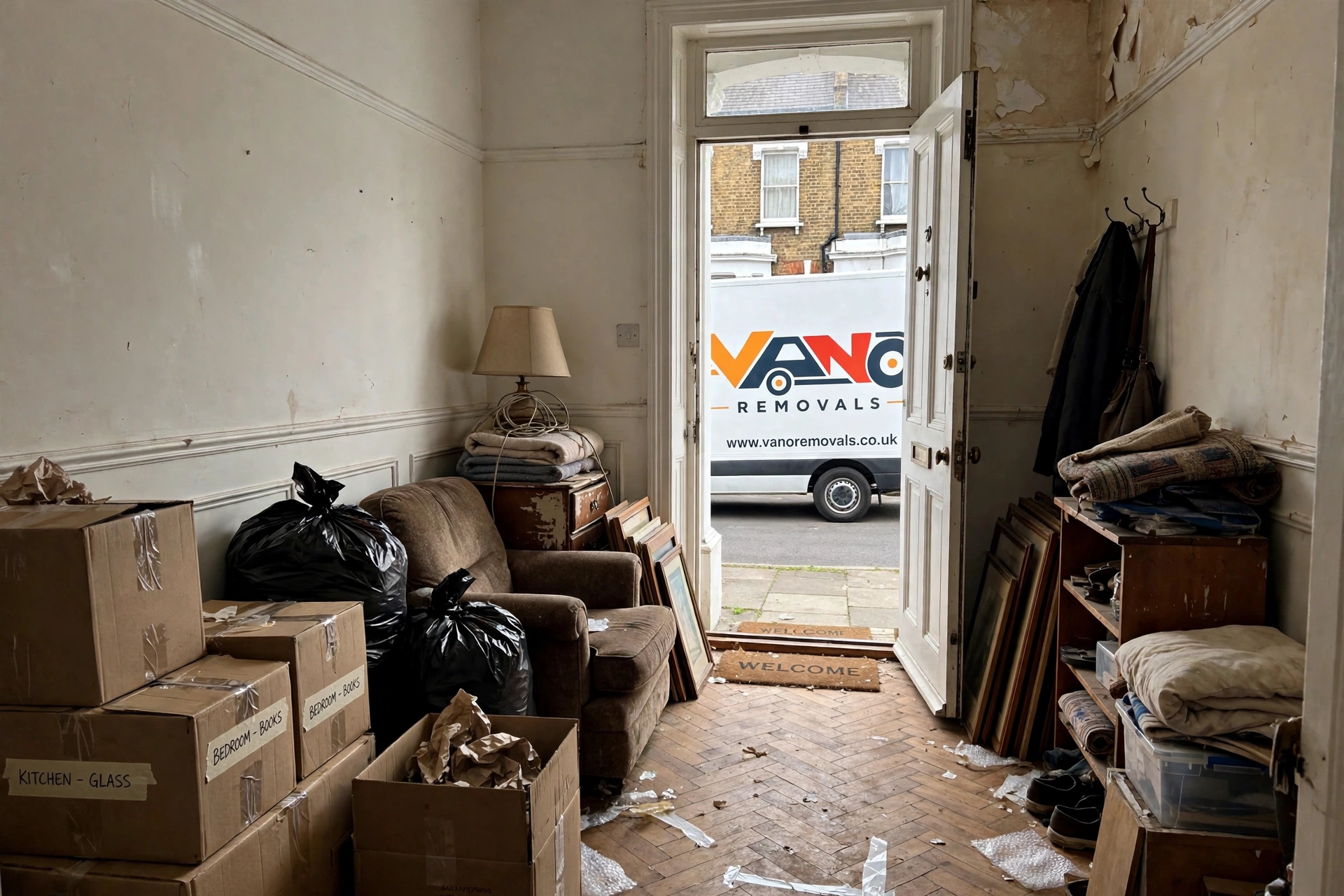
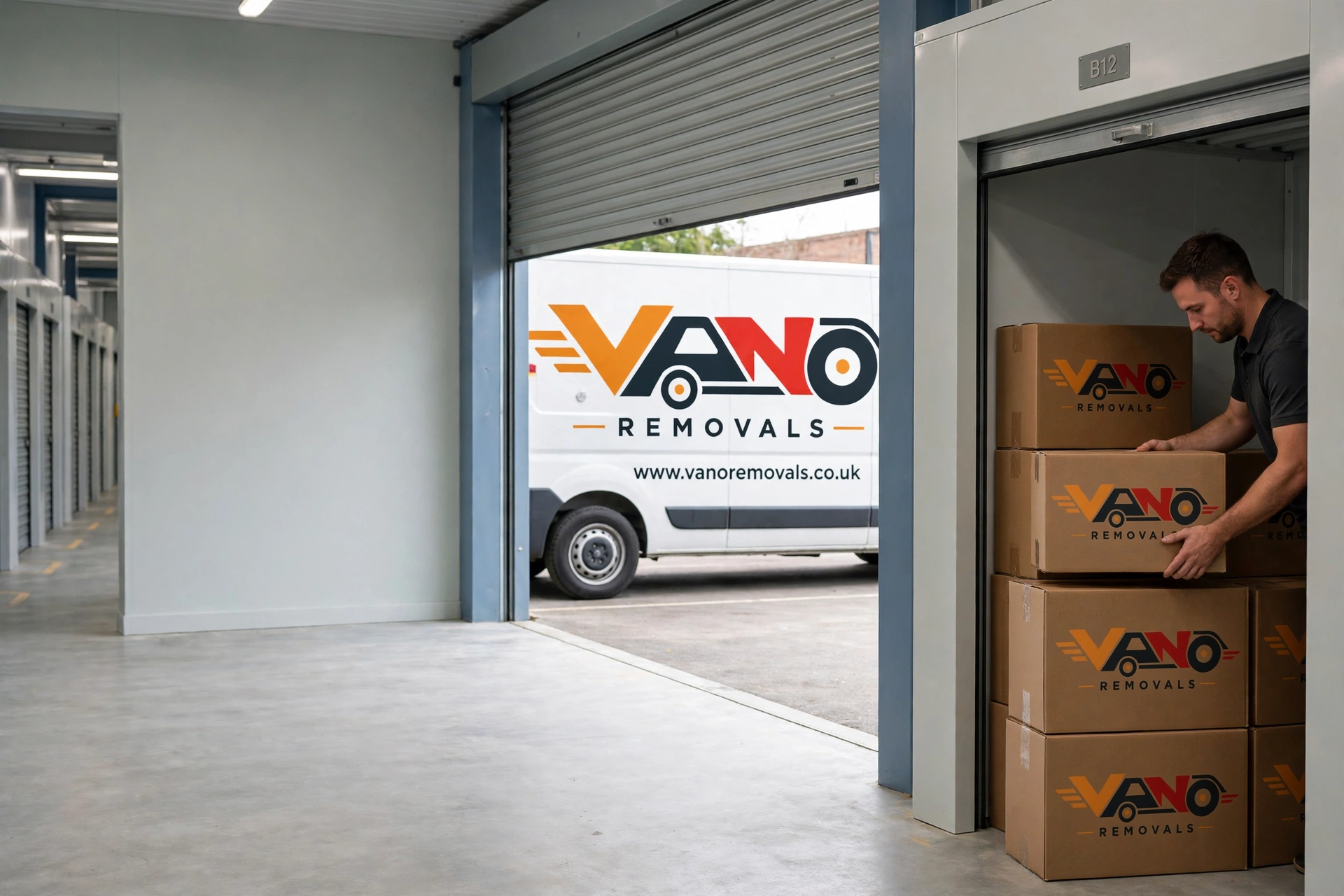
On the day, the team confirms the scope, protects the agreed route, and works in a logical order. Furniture and boxes are carried carefully; packing jobs are organised by room; storage loads are labelled and secured; clearance work is separated from items that must remain. At the destination or storage point, priority items are placed first and access is kept clear.
Timing depends on volume, access, traffic, parking, waiting, and any extra work. We therefore discuss a realistic working window rather than a false fixed promise. If keys, lifts, parking, or the receiving property change, the issue should be raised quickly so the route and handover can be adjusted.